How to Spend Less on Food When Everything Is Getting Dearer
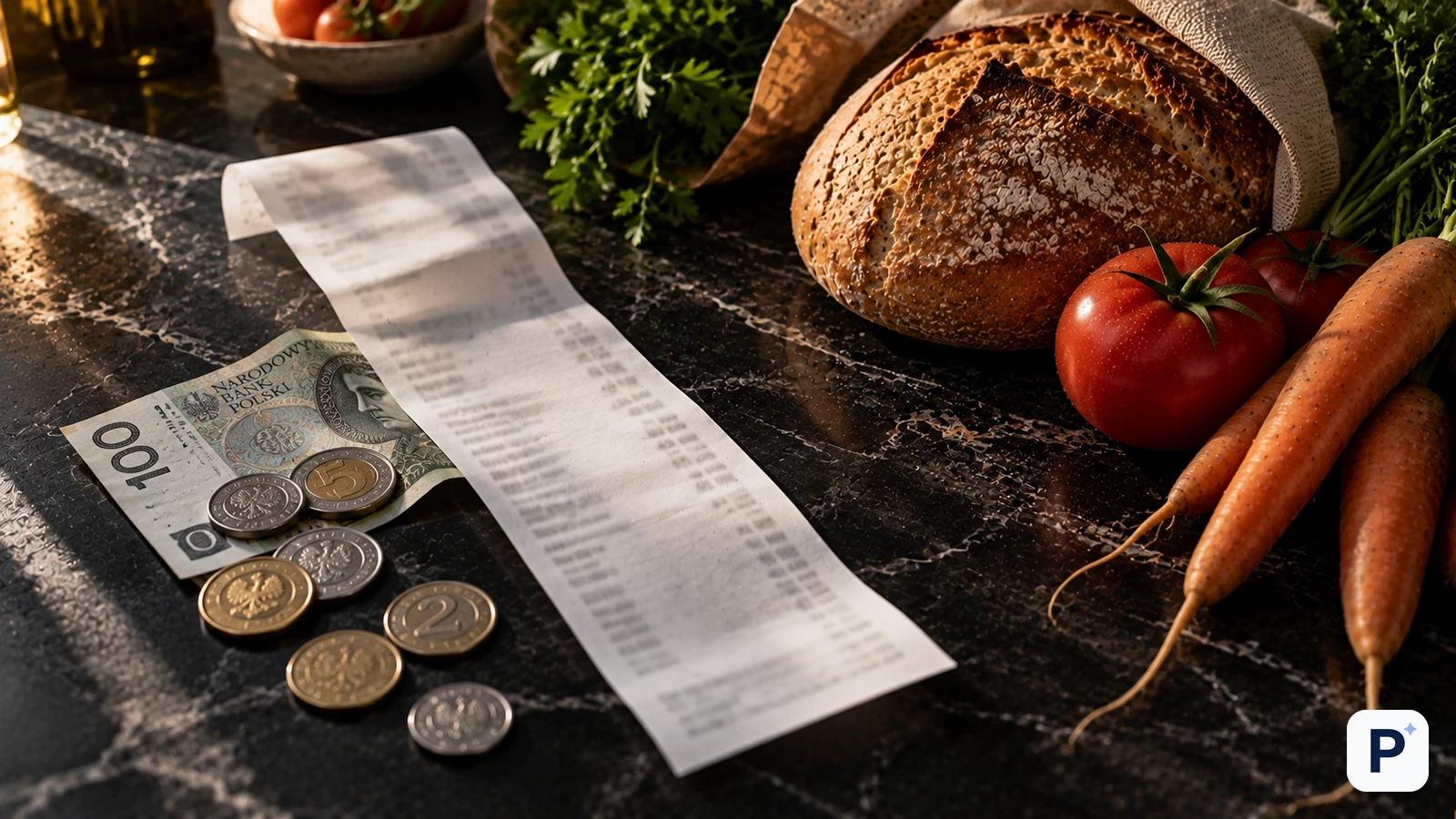
Food prices are rising, and it's hard not to notice. Even if any single shop doesn't look dramatic, the total you spend on food over a month can put real strain on the household budget.
When you look for a way to spend less on food, you usually come across the same advice: hunt for special offers, compare prices, choose cheaper products, shop with a list.
All of that can help. The trouble is that saving money on food doesn't start only at the till.
Very often the money slips away later. In the fridge, the freezer, at the back of the cupboard and, above all, in the bin.
That's why, if you really want to spend less on food, it's worth looking at the whole process: what you buy, how you store it, how much you prepare and what you do with the food you don't eat.
How Much Food Has Really Gone Up in Price
Over the past few years, food prices have risen noticeably, and for many households food has become one of the more keenly felt expenses. The rise in the price of individual products varies, of course, but the overall direction is clear: the same amount of money buys less today than it did a few years ago.
That doesn't mean, however, that the only way to cut spending is to buy the cheapest products.
The price on the shelf is only one part of what food costs.
If you buy a product on special offer but don't use it and throw it away a few weeks later, it wasn't a cheap purchase. If you cook twice as much as you can eat, the surplus becomes a cost too. If fresh food spoils before you get round to using it, the saving from well-planned shopping disappears.
That's why it's worth looking not just at the price of a product, but at how much of the food you buy actually ends up on your plate.
Where the Money Really Goes: Into the Bin, Not the Till
The money spent in the shop is the easiest to notice. It's harder to spot the money that was spent a few days earlier and is now landing in the bin.
Unused vegetables. An opened pot of dairy. Bread that has had time to dry out. Dinner leftovers. Products bought "just in case". Food prepared in too large a quantity.
On its own, each case can seem like a trifle. The problem appears when it repeats every week.
That's why the first step towards saving money doesn't have to be yet another special-offers app or hunting for a cheaper substitute. Start by checking what you regularly throw away.
That may well be where one of the biggest, and at the same time easiest to reduce, losses lies.
You can read more about how much wasted food really costs in our guide to how much food waste costs.
Buy for Your Plan, Not for the Offer
A special offer makes sense when you genuinely need the product and have an idea of how you'll use it.
Buying something simply because it's cheaper, though, easily leads to buying more than you planned, especially when it comes to fresh food.
Instead of starting your shopping with the question "what's on offer today?", start with what you're going to eat over the next few days and what you already have at home.
A simple system helps here: first check your stock, then plan your meals, and only at the end put together your shopping list. Our guide to weekly meal planning shows how to go through this step by step in 20 to 30 minutes.
See also how to plan meals for the week and how to make a shopping list.
Store Food So You Don't Have to Throw It Away
Not all waste starts with a bad purchase. Sometimes you buy the right amount, but the product doesn't survive until the moment you want to use it.
Vegetables lose their freshness. Bread dries out. Dairy stays open too long. Dinner leftovers sit in the fridge with no particular plan.
That's why the way you store food has a direct effect on your spending. The longer products keep their quality, and the easier it is to see what needs using up first, the lower the risk that something gets forgotten.
If you want to reduce these losses, it's worth getting the basics in order: how to store fruit and vegetables, how to store dairy and eggs and how to store dry goods.
Cook the Right Portions
One of the simplest ways to cut spending is to prepare the amount of food you can actually eat.
That doesn't mean you always have to cook down to the gram. It's about building up a sense of how much pasta, rice, grains, potatoes or meat you actually need per person.
If you regularly have half a pot left over, the recipe may not be the problem. You may simply be making too large a portion.
Our rough guide to how much food per person and the portion calculator will help here.
It's a small change, but it works directly on the amount of food you buy and prepare.
Use Up Leftovers Instead of Starting from Scratch
Dinner leftovers don't have to mean another day with an identical meal.
Cooked rice can become the base for fried rice. Chicken can go into a wrap, a salad, pasta or a bake. Potatoes can be used for fritters, potato dumplings or a bake.
The most important rule is this: change the format rather than reheating exactly the same thing yet again.
This makes it easier to use up the small amounts of food left over from earlier cooking.
You'll find more practical ideas in our guide to what to do with dinner leftovers.
Where to Start This Week
You don't have to overhaul your whole way of shopping straight away.
For the week ahead, just do four things.
First, check the fridge, the freezer and the cupboards before you go shopping.
Next, pick a few products that need using up first and plan your meals around them.
Cook slightly smaller portions, especially if you often have a lot of food left over.
Finally, pay attention to what you throw away despite all this. Not to hold yourself to account, but to find the recurring problem.
If you regularly throw away the same products, you have a ready-made clue as to where to look for savings.
Because spending less on food doesn't always mean buying cheaper food.
Sometimes it simply means making better use of what you've already paid for.
If you'd like to keep control of this without writing everything down on a scrap of paper, PantryOS lets you check what you have at home, plan your meals and build shopping lists based on the products you actually need.