What to Do with Mushrooms? Ideas for Using Them Up and Storing Them
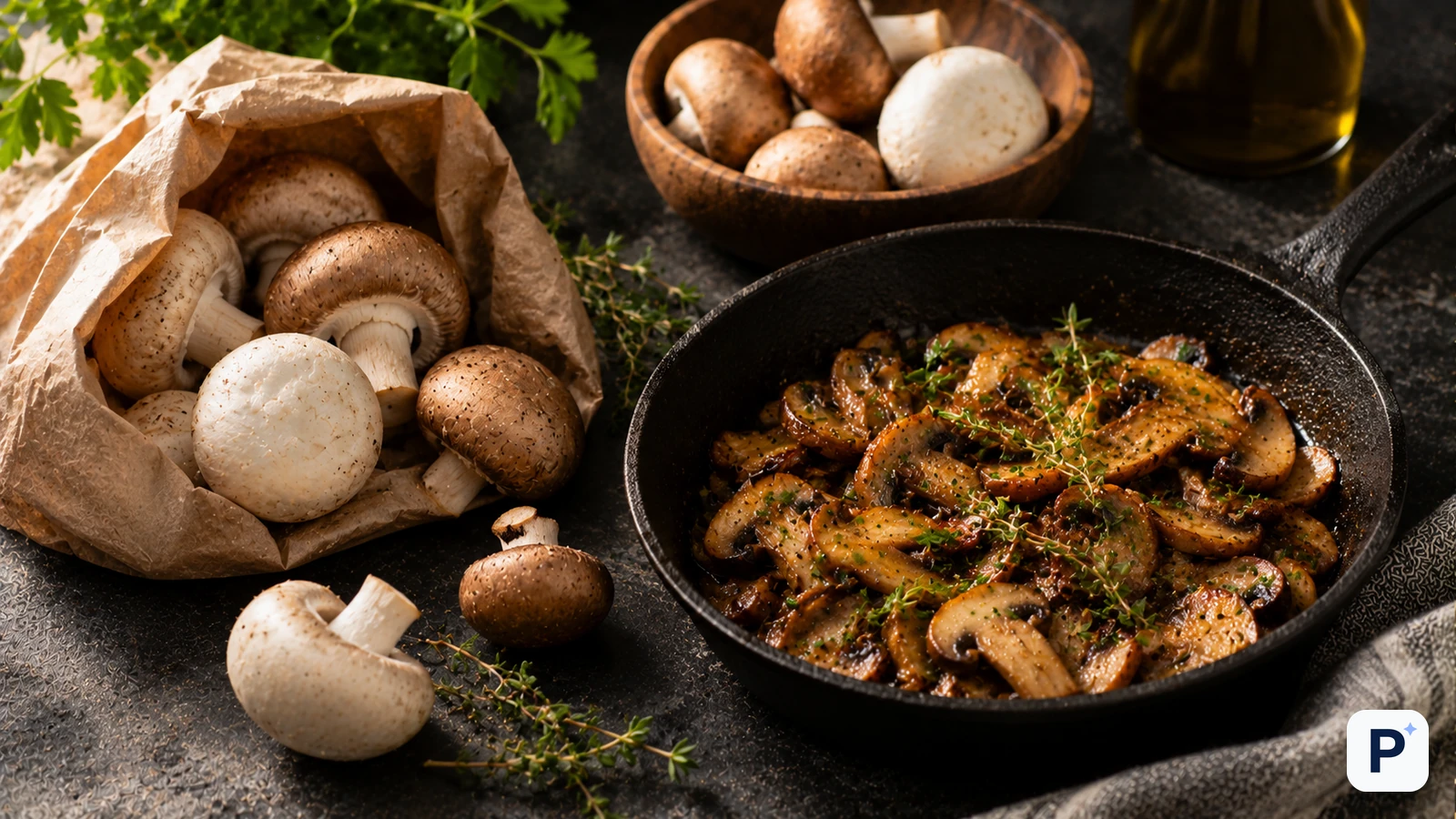
Bought some mushrooms for dinner but ended up with half a pack left over? Instead of keeping them in the fridge until they turn slimy and start to smell unpleasant, you can use them up in several ways. Surplus mushrooms work well in a sauce, a creamy soup, a filling, a bake, scrambled eggs and even on sandwiches.
What matters, though, is not only what you make with them, but also how you store them. Mushrooms do not like excess moisture or tightly sealed packaging. The right conditions in the fridge, storing them without washing them first and using them up quickly will all help to reduce waste.
How to Store Mushrooms So They Don't Darken or Turn Slimy
Mushrooms are best kept in the fridge, in dry, breathable packaging. Don't seal them in an airtight plastic bag or in a container with no air flow. Moisture that builds up inside the packaging speeds up the decline in quality and can lead to a slimy surface.
A paper bag. If you buy mushrooms loose, transfer them to a paper bag and put them in the fridge. Paper helps to draw off excess moisture while also limiting how quickly the mushrooms dry out.
The original packaging. Mushrooms bought in a shop can be left in their packaging if the film has ventilation holes. Don't wrap the tray in additional airtight film and don't move the mushrooms into a sealed bag.
An open container. Another option is a container with some air flow. You can line the bottom with a dry sheet of kitchen paper to absorb some of the moisture. If the paper becomes wet, replace it.
Temperature. Keep mushrooms in the fridge, ideally at around 4°C. Don't leave them on the kitchen counter for several hours, especially in a warm room.
How long can you keep mushrooms? It's best to use them as soon as possible, roughly within 3 to 5 days of buying them. This isn't a guaranteed deadline. A great deal depends on how fresh the mushrooms were when you bought them, the fridge temperature and how they are packed. If they were already damp, bruised or soft in the shop, they may spoil much sooner.
Should You Wash Mushrooms, and When Should You Clean Them?
It's best not to wash mushrooms before putting them in the fridge. If they get wet, the moisture can speed up spoilage. Clean them instead right before you prepare a meal.
A dry cloth or a brush. If there's a little soil on the surface, gently remove it with a brush or a dry sheet of kitchen paper.
A damp cloth. For dirtier mushrooms, you can use a slightly damp cloth. Don't soak them, though, and don't leave them wet before cooking.
A quick rinse. You can also rinse mushrooms briefly under running water and then dry them thoroughly. Avoid soaking them in a bowl for a long time. Clean water is all you need, so there's no need for special vegetable-washing liquids.
If you're planning to fry them, drying the mushrooms is especially important. Wet mushrooms may release a lot of water into the frying pan first, so instead of browning, they'll end up stewing.
What to Do with Surplus Mushrooms: 8 Ideas for Using Them Up
Mushrooms are a versatile ingredient that suits plenty of dishes. You can use them as the main part of a meal or as an addition to ingredients you already have in the fridge.
1. Braised mushrooms with onion. Slice the mushrooms, fry some onion in butter or oil, then add the mushrooms. Season with salt, pepper and marjoram. Prepared this way, the mushrooms work well as a side for potatoes, groats, meat or potato pancakes.
2. Mushroom sauce. Fry mushrooms with onion, add cream or milk with a little flour and season to taste. You can enrich the sauce with garlic, parsley or thyme. Serve it with pasta, rice, groats or potatoes.
3. Creamy mushroom soup. Fry mushrooms with onion, add a potato, stock and seasoning. Once cooked, blend everything into a smooth soup. If you only have a few mushrooms left, you can combine them with other vegetables.
4. A bake or risotto. Sliced mushrooms can be added to a potato, pasta or rice bake. They go well with cheese, onion, garlic and herbs. For a risotto, it's best to fry them separately and then combine them with the rice.
5. Scrambled eggs or an omelette with mushrooms. Fry the sliced mushrooms in a frying pan until the excess water has evaporated. Then add the eggs and make scrambled eggs or an omelette. It's a quick way to use up a small portion of mushrooms.
6. A filling for pancakes, croquettes or dumplings. Fry finely chopped mushrooms with onion and seasoning. You can combine them with cabbage, cheese, groats or other ingredients. This kind of filling is well suited to making a larger number of portions and using up over your next few meals.
7. Mushrooms on sandwiches and toast. Fry slices of mushroom with garlic and herbs, then arrange them on bread. You can add cheese and briefly grill the whole thing. They also work well as a topping for toasties and homemade burgers.
8. Pickled mushrooms. If you have a larger quantity of small mushrooms, you can prepare them in a vinegar brine with seasoning. Use a tried-and-tested pickling recipe and keep the finished mushrooms in the fridge according to its instructions. A quick homemade marinade is not the same as a properly prepared preserve for storing at room temperature.
How to Tell When Mushrooms Have Gone Off
Over time, mushrooms lose their firmness, may darken slightly and dry out. Not every change in colour means the mushrooms have gone off, though. Mature mushrooms can naturally have darker gills under the cap, and minor surface discolouration may be the result of bruising or oxidation.
What's really worrying is changes in texture, smell and appearance occurring at the same time.
A slimy or sticky surface. If mushrooms are coated in a slimy layer and have become wet and sticky, don't try to clean them up or use them after frying.
A strong, unpleasant smell. Fresh mushrooms have a mild, characteristic smell. A sour, rotten or clearly unpleasant smell indicates a decline in quality and is a reason to throw the mushrooms away.
Softness and falling apart. If mushrooms are very soft, watery, fall apart at the touch or have a noticeably changed structure, they are not fit to use.
Extensive discolouration. Large dark patches, especially if accompanied by sliminess, an unpleasant smell or softening, should set off alarm bells.
If mushrooms show clear signs of spoilage, throw them away. Don't try to rescue them with prolonged frying or boiling or by adding them to a sauce. Heat treatment does not make a spoiled product safe again.
Can You Freeze Mushrooms, and How?
Yes, mushrooms can be frozen, but it's best to prepare them first. Raw mushrooms may lose their firmness and become watery after thawing. That's why it's better to freeze mushrooms that have been fried or steam-blanched.
Prepare fresh mushrooms. Choose firm mushrooms with no signs of spoilage. Clean them, remove any dirt and cut them into slices or quarters. Don't freeze mushrooms that are already slimy, smell unpleasant or have started to fall apart.
Fry them in a frying pan. Prepare small batches so the mushrooms can release their moisture evenly. Fry them in a little fat until they soften and lose their excess water. Then cool them quickly.
Alternatively, blanch them with steam. You can also give the mushrooms a brief steam treatment, then cool them quickly and drain them thoroughly. This method prepares the mushrooms for longer storage in the freezer.
Divide them into portions. Transfer the cooled mushrooms into airtight freezer bags or containers. Remove any excess air, label the packaging with the date and put it in the freezer.
After thawing, mushrooms are best used in sauces, soups, bakes, fillings and pan-fried dishes. Their texture may be softer than that of fresh mushrooms.
For more information about preparing food for freezing, see our guide to what you can and can't freeze.
How to Avoid Wasting Mushrooms
The easiest way to reduce mushroom waste is to plan how you'll use them before you even buy them. Don't buy a large pack just because it's on offer. Think about how many meals you can realistically add them to.
Plan two dishes. If you're buying more mushrooms, decide straight away what you'll make with the rest. For example, you might make a mushroom sauce on the first day and use the rest for an omelette or a bake the next.
Process the surplus early. If you can see that you won't manage to use the mushrooms fresh, fry them and freeze them. Don't wait until they start to spoil.
Keep them somewhere visible. Don't hide mushrooms behind other products. Place them so that it's easy to check their condition and remember to use them.
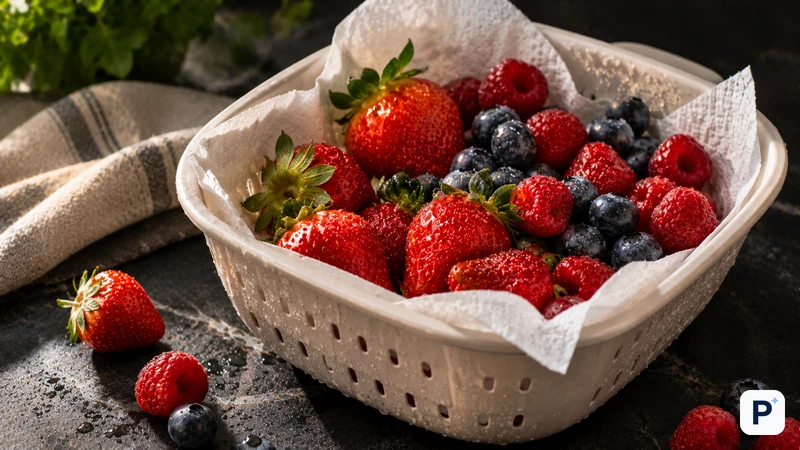
Keep an eye on what's in your fridge. Checking your food regularly helps you plan meals around what you already have. It's worth applying the same principles to other quick-to-spoil foods, such as strawberries, raspberries and blueberries. You'll find more tips in our guide to how to store strawberries and berries so they don't go mouldy.
The Most Common Mistakes When Storing Mushrooms
Even fresh mushrooms can quickly lose their quality if they're stored in the wrong conditions. The most common problems are excess moisture, a lack of ventilation and leaving it too long before using the mushrooms.
Storing them in a sealed plastic bag. Moisture can build up inside sealed packaging. Choose a paper bag, a breathable container or the original packaging with ventilation holes.
Washing them before putting them in the fridge. Wet mushrooms lose their quality more quickly. Clean them only right before you prepare a meal.
Leaving them on the counter. Mushrooms should go into the fridge as soon as possible after you buy them. Don't keep them at room temperature for a long time.
Storing them together with damaged mushrooms. Check the packaging regularly and remove any that have started to spoil. Don't leave them among the rest of the mushrooms.
Trying to use spoiled mushrooms. Frying, boiling and seasoning are not a way to restore safety to a product that shows signs of spoilage.
Buying too many. If you don't have a specific plan for using up the whole pack, choose a smaller portion. You can always buy more mushrooms on your next shop.
Mushrooms are an ingredient that's easy to use in plenty of everyday dishes. All you need to do is keep them cool, without excess moisture and with some air flow. If you buy more than you need, don't wait until they start to spoil. Make a sauce, a filling or a soup, or fry a portion to freeze. That way, instead of throwing leftovers out, you'll use them up in your next meal.