What to Do with Leftover Cooked Pasta? 7 Easy Ideas
Have some pasta left over from yesterday's dinner? You don't have to eat the same meal twice or throw the leftovers away. Cooked pasta can quickly be turned into a casserole, salad, omelette, pan-fried dish or even a sweet meal with farmer's cheese and fruit.
Two things matter most: storing the pasta properly and choosing a preparation method that suits its texture. This way, yesterday's leftovers can become the base for a completely different meal.
Why Is It Worth Using Leftover Cooked Pasta?
Pasta left over from dinner is already prepared and ready to use. You don't need to cook another batch or start a meal from scratch. Simply combine it with a few ingredients you already have in your fridge or pantry.
It's also an easy way to reduce food waste. Instead of putting a small portion away without a specific plan, you can decide straight away whether you'll use it for a salad, casserole or pan-fried dish the next day.
It's worth taking leftovers into account when planning your next meals. If you know you'll cook extra pasta one day, you can plan to use it the following day. For more tips, read our guide to weekly meal planning.
How to Store Cooked Pasta
Cooked pasta should be cooled as quickly as possible. Don't leave it on the kitchen counter for several hours, even if you plan to use it the next day.
After draining, transfer the pasta to a clean, shallow container. If you've cooked a large amount, divide it into smaller portions so it cools faster. Don't wait for the pasta to cool completely at room temperature. Once it stops steaming heavily, put it in the fridge. This should happen within 2 hours of cooking at the latest.
How long can you keep cooked pasta in the fridge? It's best to use it within 48 hours. Store it in an airtight container at a temperature below 5°C. If the pasta has already been mixed with sauce, meat, eggs or dairy products, also take the shelf life of those ingredients into account.
Should you add oil? If you're storing plain pasta, you can toss it with a small amount of olive oil or another cooking oil. This helps prevent the pieces from sticking together. However, it does not extend the pasta's shelf life. Food safety still depends on how quickly it is cooled, the fridge temperature and the storage time.
Remember that pasta may look and smell normal but still be unsafe to eat if it has been stored incorrectly. Don't try to salvage pasta that has been left at room temperature for many hours.
What to Do with Leftover Cooked Pasta: 7 Ideas
You don't need a complicated recipe. In many cases, all you have to do is combine the pasta with whatever ingredients you have available.
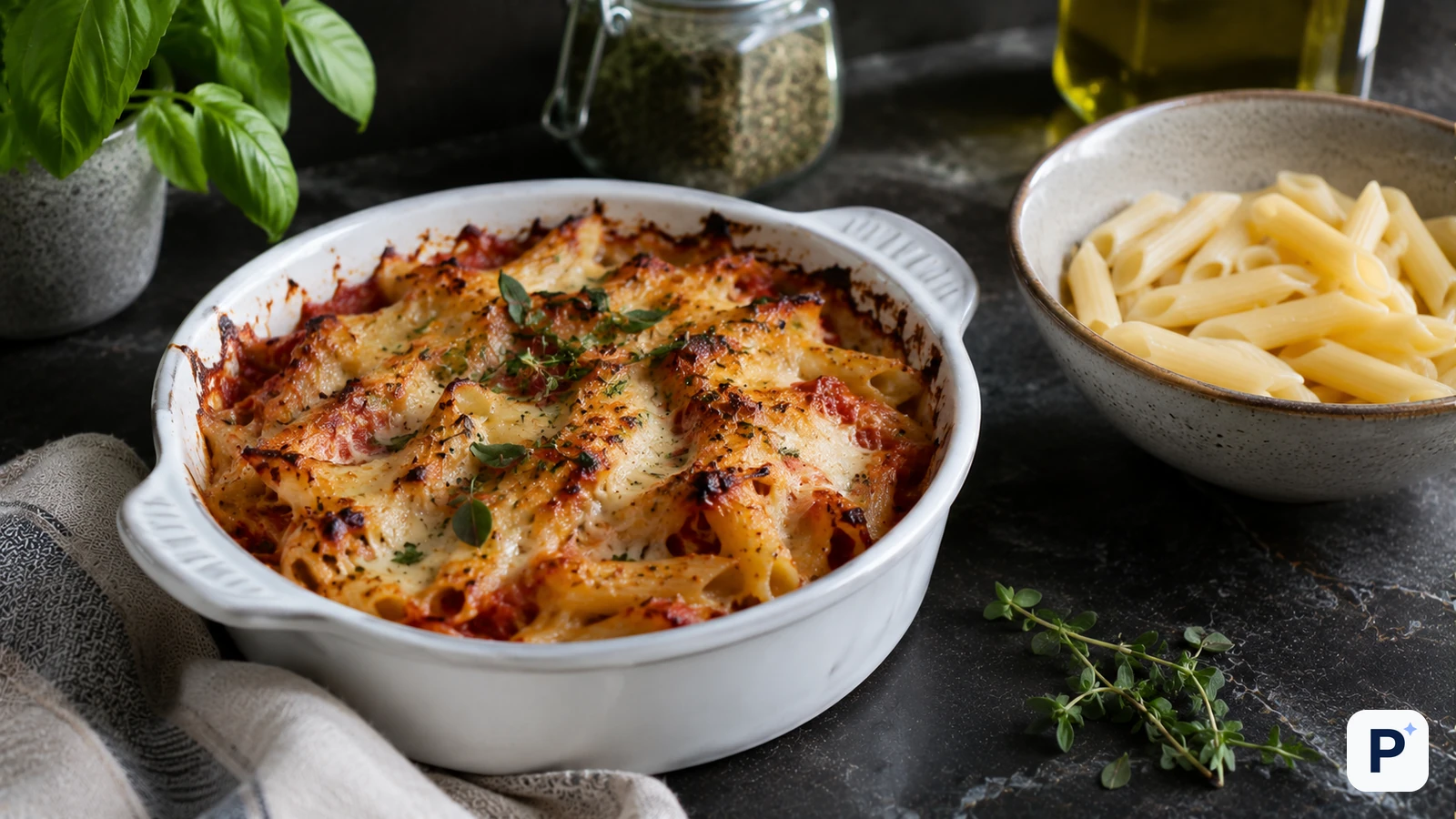
1. Pasta casserole. Mix the pasta with tomato sauce, vegetables, pieces of chicken or another ingredient of your choice. Transfer everything to an ovenproof dish, sprinkle with cheese and bake until heated through and golden on top. If you need exact quantities and instructions, try our pasta casserole recipe.
2. Pan-fried pasta with vegetables or eggs. Heat a little oil in a frying pan, cook some onion and your chosen vegetables, then add the pasta. You can also add an egg and stir until it sets. Mushrooms, bell peppers, courgette, carrots and frozen vegetables all work well.
3. Pasta salad. Combine cooled pasta with chopped cucumber, bell pepper, tomato, sweetcorn, beans or cheese. Add a dressing made with yoghurt, olive oil or mustard, then season with herbs. This is a good way to use small amounts of vegetables and other ingredients left in the fridge.
4. Frittata or omelette with pasta. Mix the pasta with beaten eggs, grated cheese and finely chopped vegetables. Pour the mixture into a frying pan and cook over low heat with a lid on until the eggs are set. You can also finish cooking the dish in the oven.
5. Baked pasta with cheese. If you're short on time, transfer the pasta to a small ovenproof dish, add a little milk or sauce, mix in some cheese and bake. You can use several types of cheese left over from other meals. It's a simpler version of a pasta casserole that doesn't require lots of extra ingredients.
6. Add it to soup. Cooked pasta can be used in tomato soup, chicken broth or vegetable soup. It's best to place it directly in the bowl and pour hot soup over it, or add it to the pot towards the end of cooking. This prevents it from becoming overcooked during prolonged heating.
7. Sweet pasta. If the pasta was cooked without strongly flavoured seasonings or savoury additions, you can turn it into a sweet meal. Mix it with farmer's cheese (Polish twaróg), yoghurt or a little milk. Add fruit, cinnamon, grated apple or a small amount of honey. It's an easy way to use up leftovers that no longer work well in a savoury dish.
How to Reheat Leftover Pasta Without It Sticking Together
Pasta stored in the fridge often becomes firmer and sticks together in one solid clump. That doesn't mean you have to throw it away. In most cases, adding a little moisture and reheating it is enough.
Briefly in boiling water. Place the pasta in a sieve and dip it into boiling water for a few seconds, up to around half a minute. Drain thoroughly. This method works particularly well if you're planning to serve the pasta with a hot sauce.
In a frying pan. Heat a little olive oil or butter, add the pasta and a tablespoon of water, stock or sauce. Warm it up, stirring gently, until the pieces separate and the pasta is heated evenly. Don't fry pasta in a dry pan, as it will quickly become hard.
In the microwave. Transfer a portion to a microwave-safe container, add one or two tablespoons of water and cover it. Heat in short intervals, stirring between each one. This helps prevent the pasta from drying out and allows it to heat more evenly.
If the pasta has already been mixed with sauce, it's best to reheat it together with the sauce. If needed, add a little water or milk, depending on the type of sauce.
Only reheat as much as you intend to eat. The finished dish should be hot throughout. Avoid repeatedly cooling and reheating the same portion.
Can You Freeze Cooked Pasta?
Yes. Cooked pasta can be frozen as long as it has been cooled properly and hasn't been left at room temperature for too long. It's best to freeze it as soon as possible rather than waiting until the end of its recommended fridge storage period.
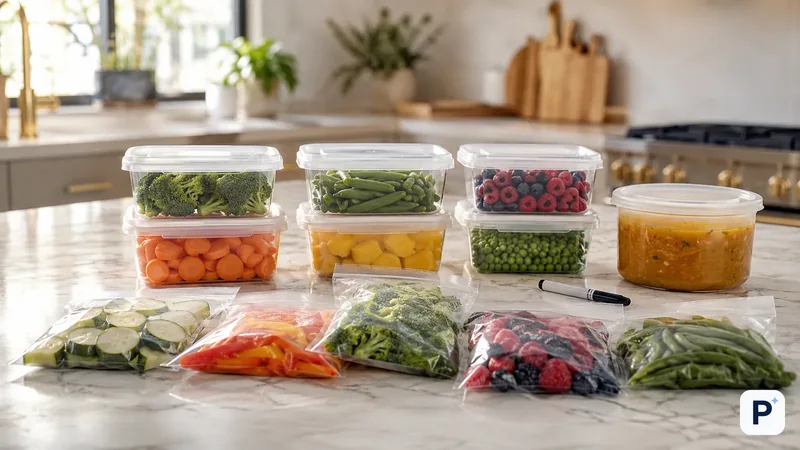
How should you prepare pasta for freezing? Divide it into portions and transfer it to airtight containers or freezer-safe bags. Remove as much excess air as possible. You can add a few drops of oil to help prevent the pieces from sticking together. Label the packaging with the freezing date.
Plain pasta, without sauce, is the easiest to freeze. Its texture may become slightly softer after thawing, so it's best used in casseroles, soups or pan-fried dishes. Cream-based and cheese sauces, on the other hand, may change consistency after thawing.
For more information about foods that freeze well, read our guide to what you can and can't freeze.
Important: Freezing does not fix problems caused by improper storage. Don't freeze pasta that has been left out of the fridge for a long time or whose safety is uncertain.
Common Mistakes When Storing and Reusing Pasta
Even a simple food-waste prevention habit can have the opposite effect if you overlook a few important rules.
Leaving pasta on the counter. Cooked starchy foods can support bacterial growth if they remain at room temperature for too long. Pasta should be cooled quickly and refrigerated.
Storing it uncovered. Pasta left on a plate or in an open pot dries out, absorbs odours from the fridge and is more easily contaminated. Always use a clean, airtight container.
Treating oil as a preservative. A small amount of fat can help prevent pasta from sticking together, but it does not protect it against microbial growth. It also does not extend the safe storage time.
Reheating it without moisture. High heat and a lack of moisture make pasta hard and unpleasant in texture. Add a little water, stock, sauce or fat when reheating.
Reheating the same portion multiple times. It's better to transfer only the amount you intend to eat into a separate dish. Keep the remaining pasta refrigerated.
Trying to save pasta that has been left out of the fridge for too long. Reboiling or frying it does not guarantee that it is safe to eat. Some toxins produced by bacteria, such as Bacillus cereus, can survive heat treatment. If pasta has been stored incorrectly, don't try to make it safe again by reheating it.
Not labelling the preparation date. If you keep several containers of leftovers in the fridge, it's easy to forget which one was prepared first. Label containers with the date and plan to use older portions before newer ones.
How to Prevent Leftover Pasta from Piling Up
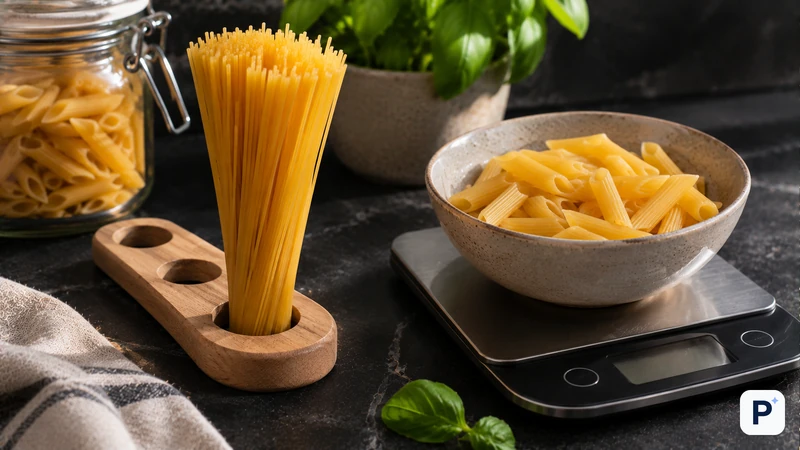
The simplest solution is to plan how much pasta you need before cooking. Start by checking how much pasta per person you actually need. If you're not sure how many portions you'll need, you can cook a little extra, but make a plan for the second meal straight away. That way, leftovers don't become forgotten food that you only remember a few days later.
It's also worth checking your fridge regularly and keeping track of ingredients that need to be used first. A household inventory, expiry-date reminders and meal planning based on the ingredients you already have can help you make decisions before food goes to waste.
Leftover cooked pasta doesn't have to mean eating yesterday's dinner all over again. One portion can become a salad, casserole, omelette or addition to soup. All you need is proper storage and an idea for how to use it next.