Pantry Essentials: A Base of Ingredients for a Quick Dinner
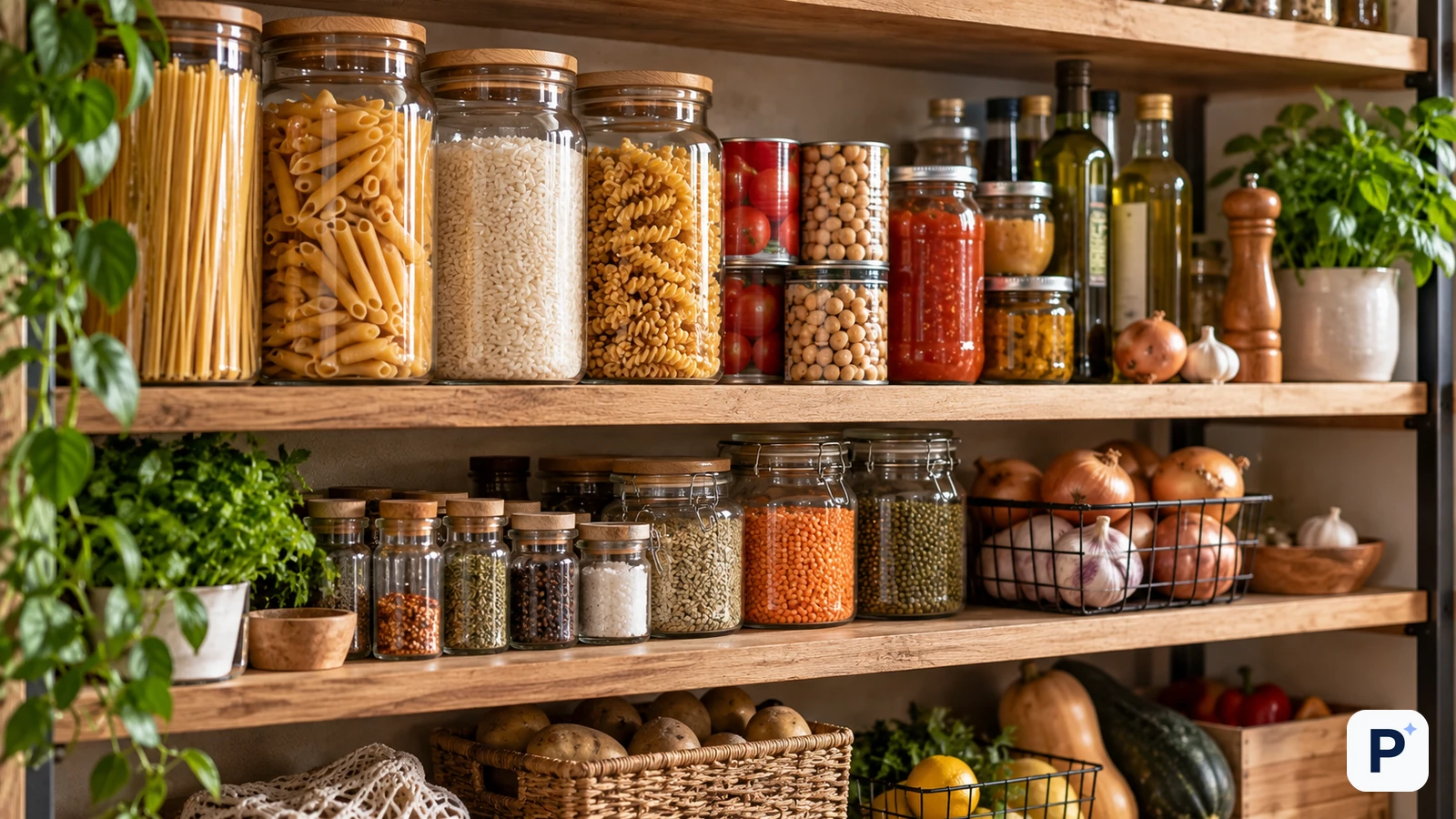
"There's nothing in the house" often doesn't mean the kitchen is truly empty. It usually means you're looking at some pasta, a few tins, eggs and frozen vegetables, and you can't work out how to turn them into a proper dinner.
A well-built pantry solves exactly this problem. Not because it holds everything, but because it holds a few ingredients you can combine in many different ways.
So you don't need 50 different things "just in case". You need a few bases that you actually eat and that let you put a meal together even when you haven't had time to shop.
The most important rule is simple: don't build your pantry around a shopping list. Build it around the meals you can make.
A Good Pantry Isn't Full Cupboards
It's easy to think that a well-stocked kitchen is one where every shelf is full. In practice, more ingredients don't always mean more options.
If you have five different kinds of pasta but nothing to go with them, you may still struggle to make dinner. On the other hand, pasta, a tin of tomatoes, some chickpeas and a few spices can be enough to make several completely different dishes.
So instead of asking "what should I keep in the pantry?", it's better to ask: do I have something filling, something with protein, something vegetable-based and something to give it flavour? That's the basic system.
The Four Parts of a Quick Dinner
Most simple meals can be built from a few parts: a base + a source of protein + vegetables + flavour.
The base makes the meal filling. It could be pasta, rice, groats, potatoes or bread. Protein makes the meal more complete. It could be eggs, beans, chickpeas, lentils, tinned fish, meat, tofu or cheese. Vegetables add volume, flavour and variety. They can be fresh, frozen or kept in a jar or tin. Finally comes flavour: tomatoes, pesto, soy sauce, olive oil, spices, garlic, onion, curry or herbs.
This is exactly why a few basic ingredients give you far more options than their number would suggest:
- Pasta + tomatoes + chickpeas + oregano.
- Rice + egg + frozen vegetables + soy sauce.
- Groats + beans + vegetables + feta.
- Potatoes + eggs + onion + spices.
These aren't complicated recipes. They're templates you can change depending on what you happen to have.
1. Bases: The Foods You Start From
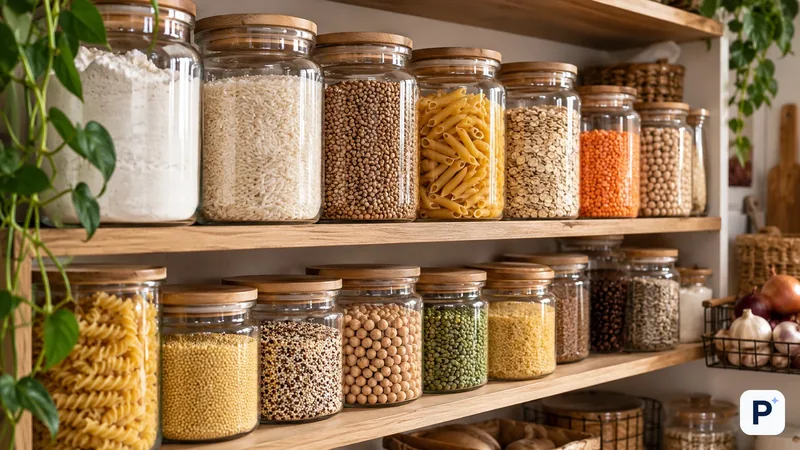
The first category is the foods that can form the foundation of a meal and can usually be stored for a long time. Depending on what you like, these might be:
- pasta,
- rice,
- groats,
- couscous,
- oats,
- flour,
- bread,
- potatoes.
You don't need all of them. If you almost always eat pasta and rice, those two can be your base. If you cook groats and potatoes more often, there's no reason to buy five kinds of pasta just because they appear on a "list of staple foods".
What matters is rotation. A product that sits in the house but that you never use isn't a good stock item. It's simply one more thing to keep track of.
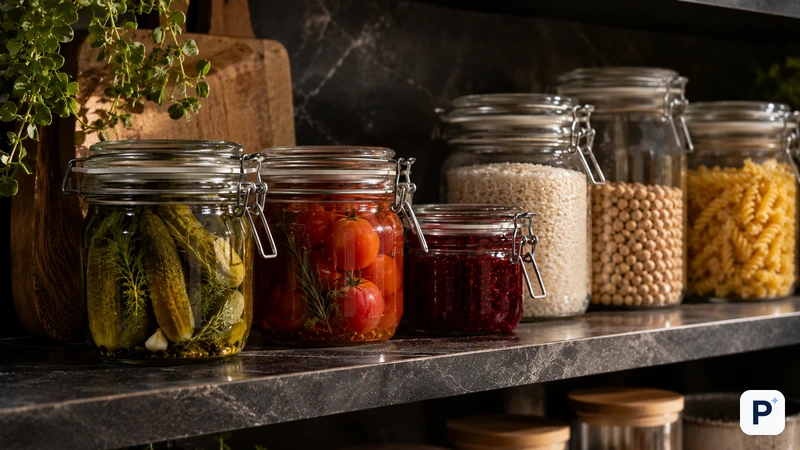
With dry goods, proper storage also matters. Flour, rice, groats, pasta and other dry goods are best kept in a dry, cool place, protected from moisture and pests. We cover more in our guide to how to store flour, rice, groats and other dry goods.
2. Protein Foods: What Turns Sides Into a Dinner
The second category is the foods you can combine with a base.
Eggs are the most versatile. You can make an omelette or scrambled eggs, a frittata, add them to fried rice or use them as part of a quick dinner.
It's also worth keeping foods with a longer shelf life, for example:
- chickpeas,
- beans,
- lentils,
- tinned fish,
- peanut butter, if you use it for other meals too.
Tinned pulses are especially convenient because they don't need cooking first. You can add them to tomato sauce, curry, a salad, soup or a rice dish.
This category also includes foods kept outside the pantry: cheese, tofu, meat, fish or eggs. Not everything that forms part of your "dinner base" has to sit on a shelf.
A good approach is to combine long-life foods with a few items kept in the fridge or freezer. That way you don't have to keep a large stock of fresh meat or fish just to be able to make dinner.
3. Tomatoes, Sauces and Other Flavour Bases
This is a category that's often missing from home supplies. You can have pasta, rice and vegetables, but if you have nothing to bring them together, your options start to run out.
So it's worth keeping a few things that quickly turn basic ingredients into a proper dish:
- passata,
- chopped or whole tinned tomatoes,
- tomato purée,
- pesto,
- soy sauce,
- olive oil or other oil,
- vinegar or lemon juice,
- basic spices,
- dried herbs.
You don't have to buy everything. If you often cook Italian food, passata, oregano, basil and olive oil may matter more to you than soy sauce. If you like Asian dishes, soy sauce, curry, ginger or coconut milk may play a bigger role.
Your pantry should fit what you actually cook.
4. Onion, Garlic and a Few Basic Extras
Some ingredients are humble, but they very often decide whether an emergency dinner tastes like a proper meal.
Onion and garlic can be the base for a sauce, a soup, a one-pot dish, fried rice or pan-fried vegetables. Basic spices are useful too: salt, pepper, paprika, curry, oregano, basil, herbes de Provence or chilli.
Again: you don't need a whole shelf of spices. It's better to have five spices you use regularly than twenty jars bought for one-off recipes.
5. Frozen Food: A Second Pantry
If the pantry takes care of long-life foods, the freezer can act as a second pantry. This is especially useful for vegetables.
Frozen peas, spinach, broccoli, vegetable mixes or green beans can be on hand when you have no fresh vegetables in the house. Many frozen vegetables can be used without thawing first. You can tip them into soup, curry, a sauce, a pan or fried rice, following the instructions on the packet.
It's also worth keeping frozen bread if you don't get through a whole loaf quickly enough. Your own portions of cooked meals can be a good stock too, if you regularly cook larger amounts.
That doesn't mean the freezer should be full of everything that "might come in handy one day". The rotation rule applies here too.
6. Emergency Foods That Really Save Dinner
Besides the basics, it's worth keeping a few things that let you make a meal when the fridge is empty. For example:
- passata + pasta + garlic + spices: quick pasta with tomato sauce.
- chickpeas + tinned tomatoes + curry: a quick one-pot dish.
- rice + eggs + frozen vegetables + soy sauce: fried rice.
- beans + sweetcorn + tomatoes + spices: a tortilla filling or a quick salad.
- pasta + pesto + frozen spinach + cheese: quick pasta.
- potatoes + eggs + onion: a simple pan dinner.
Notice that none of these combinations needs ten ingredients. That's exactly the point of a well-built pantry.
What Should You Always Keep? Not One List, but Your Own Base
If you want to build your first base, start with a dozen or so products you genuinely use. It might look something like this:
- Bases: pasta, rice, one or two kinds of groats.
- Protein: eggs, chickpeas, beans, tuna.
- Flavour: passata, tomato purée, olive oil, soy sauce.
- Extras: onion, garlic, a few favourite spices.
- Freezer: one vegetable mix, peas, spinach, bread.
That alone is enough to make many simple meals.
If you don't eat rice, don't buy rice. If you don't like chickpeas, swap them for beans. If you hardly ever use flour, it doesn't have to be a permanent part of your pantry. A good base isn't a universal shopping list. It's a list of foods that fit the way you eat.
How Not to Overdo the Stockpiling
There's another side to this. When you start building a "well-stocked pantry", it's easy to fall into the trap of stockpiling.
Two jars of passata are useful. Six may already mean you're buying faster than you use. The same goes for pasta, groats, tinned goods and spices. Your stock should be enough that you don't have to run to the shop for every basic item, but not so large that food starts to languish.
The simplest rule is: buy the next pack when you start using the previous one. If you have one open pack of rice and one unopened, you probably don't need another just because it's on offer.
This matters particularly when it comes to not wasting food. A surplus of long-life products can also become a problem over time.
The "One Missing Ingredient" Rule
There's one more way to make the most of your pantry. Suppose you have almost everything for a dish but you're missing one ingredient. Instead of automatically giving up on the idea, think about whether you can replace it:
- No chicken? Chickpeas may do the job.
- No fresh vegetables? Check the freezer.
- No passata? You may have tinned tomatoes and tomato purée.
- No cream for the sauce? See whether the dish can be made with a tomato, olive oil or cheese base instead.
Not every swap will suit every recipe, but simple cooking isn't about recreating a recipe perfectly. It's about using what you have.
That's why one-pan dinners are a good example of cooking without a rigid recipe. You pick a base, add protein, vegetables and something to bring the flavours together.
What to Do When You Really Have No Idea
Instead of opening a search engine and typing "what to cook for dinner", start with your kitchen. First, pick a base.
Do you have pasta? Check what protein you have and what sauce you can make.
Do you have rice? Check for eggs, vegetables, chicken, tofu or pulses.
Do you have potatoes? Check for eggs, cheese, vegetables or leftover meat.
Do you have only tins and dry goods? Combine pulses with tomatoes, add spices and serve with rice, groats or bread.
It's a small shift in thinking, but it makes everyday cooking much easier. You don't start with a recipe. You start with your supplies.
First, Check What You Already Have
Even the best base won't work if you don't know what's in your cupboards. It's easy to buy another jar of passata when two are already sitting behind the tins of beans. It's just as easy to think you've run out of rice when the last pack is hiding at the back of the cupboard.
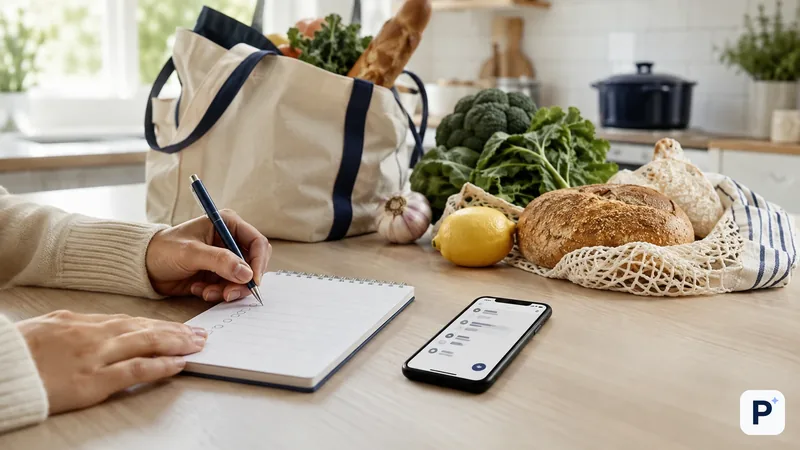
That's why it's worth keeping a simple list of the staple foods you want to maintain at home. It doesn't have to be a long list. You might have, for example, five main categories: bases, protein, vegetables, sauces and spices, and the freezer. Every so often you check what's starting to run low and top up only those things.
This is exactly where PantryOS can help. Instead of trying to remember the contents of every cupboard, you can keep information about your supplies to hand, create shopping lists and plan meals based on what you already have. This is especially useful if more than one person does the shopping in your household. Instead of asking "do we still have rice?", you can simply check the list.
A Pantry Should Make Life Easier, Not Harder
You don't need huge stockpiles, dozens of tins or products bought solely because they appear on an online "must-have" list. You need a few things that you genuinely eat and that can be combined:
- pasta, rice or groats,
- eggs and a few protein foods,
- tomatoes, passata and a few favourite extras,
- frozen vegetables,
- onion, garlic and spices.
That alone can be a very good base.
The most important thing, though, isn't how many products you have in the pantry, but how many different meals you can make from them. If you can look at your supplies and think "I can make dinner from this", you don't need a full fridge to cook well.