Polish Potato Pancakes (Placki Ziemniaczane)
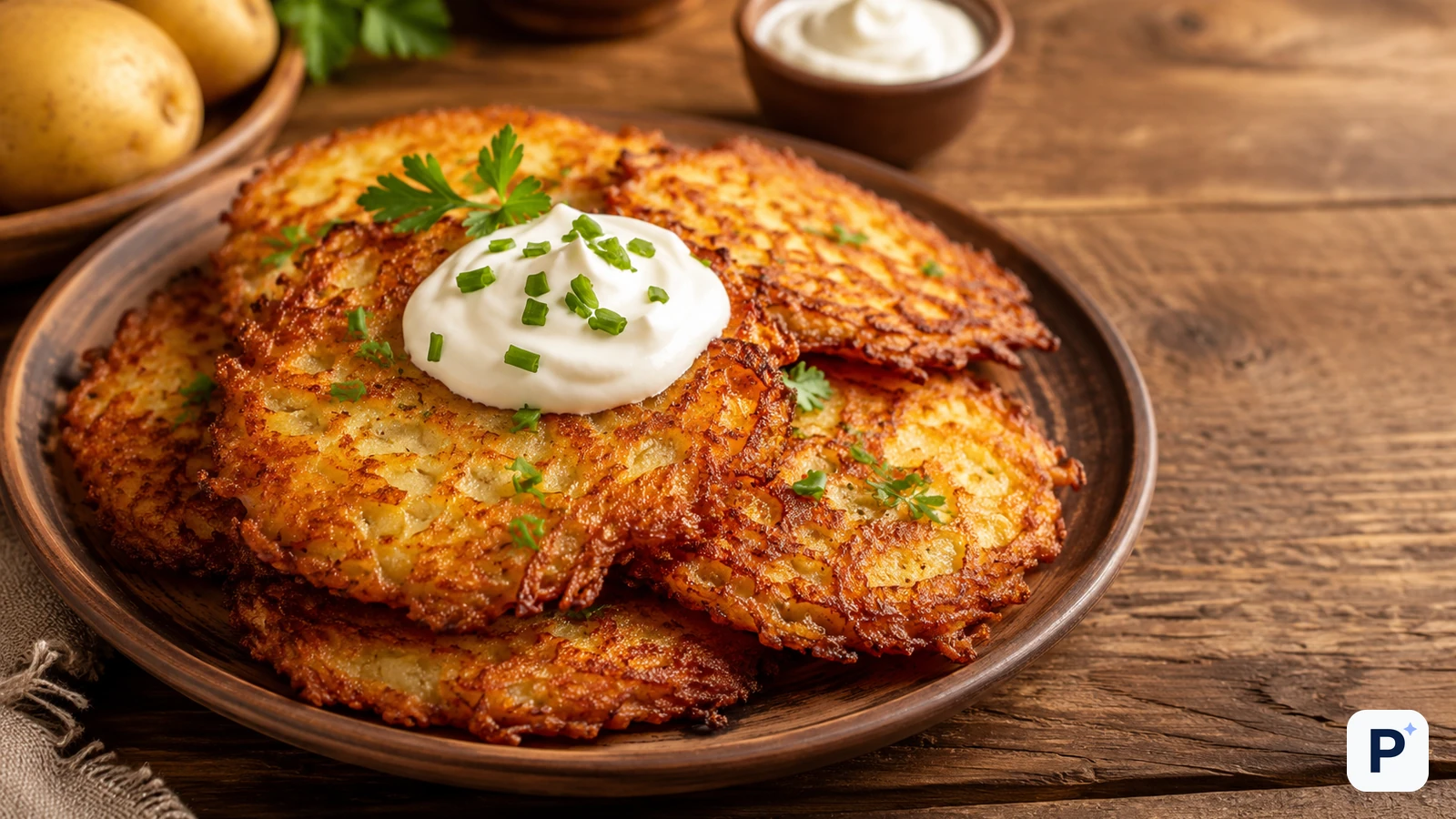
Crispy at the edges, soft in the middle and made from just a few basic ingredients. The secret is thoroughly squeezed potatoes. A cheap, simple dinner you can put together even when there is almost nothing in the fridge.
Ingredients
- 1 kg potatoes
- 1 small onion
- 1 egg
- 2 tablespoons plain wheat flour
- salt
- freshly ground pepper
- oil for frying
Instructions
- Grate the potatoes and onion. Peel the potatoes and onion. Grate the potatoes on a fine grater. If you like a more noticeable, crunchy texture, you can grate some of the potatoes on larger holes. Grate the onion along with them or chop it very finely.
- Squeeze out the excess liquid. Transfer the potato mixture to a fine sieve, cheesecloth or a clean tea towel and squeeze out the excess liquid thoroughly. The aim is not to dry out the potatoes, but to get rid of the water that hinders browning and makes the pancakes soft.
- Recover the starch. Leave the squeezed-out liquid in a bowl for a few minutes. Natural potato starch should collect at the bottom. Carefully pour off the water above the sediment and add the starch back to the potatoes. It will help bind the mixture without adding a lot of flour.
- Mix the batter. Add the egg, flour, salt and pepper. Mix thoroughly. The mixture should be moist but not watery. If a lot of liquid quickly collects at the bottom, pour off the excess before frying.
- Spoon the pancakes onto the pan. Heat a layer of oil in a large frying pan. The fat should be hot before you add the first batch. Spoon on large spoonfuls of the mixture and spread it out slightly into thin pancakes.
- Fry golden on both sides. Fry over medium or medium-high heat for about 3–4 minutes on each side. Do not turn the pancakes too early. Wait until the underside is clearly golden and the edges are crispy.
- Drain and serve. Transfer the cooked pancakes to a plate lined with kitchen paper or a wire rack to get rid of the excess fat. Serve straight away, when they are at their crispiest.
How to Make Really Crispy Potato Pancakes
The biggest enemy of crispy pancakes is excess water. That is why the potatoes need to be squeezed well after grating. The more watery the mixture, the longer it will take to fry and the harder it is to achieve browned, crumbly edges.
The temperature of the pan also matters. If the oil is too cool, instead of browning quickly the pancakes start to absorb more fat. Do not overcrowd the pan either. There should be a little space left between the pancakes.
Finally, do not stack a lot of hot pancakes on top of each other. Steam trapped between them quickly softens the crispy surface.
Do You Need to Add Flour to Potato Pancakes?
A small amount helps bind the mixture, but more does not mean better. Too much flour makes the pancakes heavier and more doughy.
Start with 2 tablespoons per kilogram of potatoes. If the potatoes have been drained well and you keep the starch collected at the bottom of the bowl, that amount is usually enough.
Why Do Potato Pancakes Fall Apart?
Most often the mixture contains too much liquid, or the pancakes were turned before they had a chance to brown properly. Squeeze the potatoes, add the collected starch and fry the first side until a clearly golden surface forms.
If, despite this, the mixture is particularly loose, you can add an extra tablespoon of flour. Add it gradually rather than thickening the whole batch at once.
Why Do Potatoes Darken?
Grated potatoes naturally oxidise on contact with air. This does not mean they have gone off. Adding onion can partly limit the colour change, but the best solution is to prepare the mixture right before frying.
It is not worth grating the potatoes several hours in advance. A freshly prepared mixture gives the best colour and texture to the pancakes.
What to Serve with Potato Pancakes
Classically savoury: with soured cream or yoghurt, chives and freshly ground pepper.
More like a dinner: with goulash, mushroom sauce or braised meat.
Sweet: with sugar, apple sauce or soured cream and a little sugar.
From whatever is left in the fridge: use yoghurt as a sauce base and add garlic, herbs, cucumber or a bit of leftover cheese.
Variations and Substitutes
Courgette pancakes: replace some of the potatoes with grated courgette. Squeeze the courgette very thoroughly, as it contains a lot of water.
Carrot pancakes: add 1–2 grated carrots. The pancakes will be slightly sweeter and more vegetable-forward.
With garlic: add 1–2 pressed garlic cloves to the mixture.
With herbs: mix in chopped dill, parsley or chives.
Without onion: you can simply leave it out. The remaining proportions do not need changing.
How to Store Potato Pancakes
They are best straight after frying, but you can keep cooked pancakes in an airtight container in the fridge for about 2 days.
For reheating, a frying pan, oven or air fryer will be better than a microwave. Dry, high heat lets you reheat them and partly restore the crispy surface. In a microwave the pancakes will stay soft.
You can also freeze them once completely cooled. Layer the pancakes with baking paper so they do not stick together, and pack them tightly.
What to Do with Potatoes You Need to Use Up
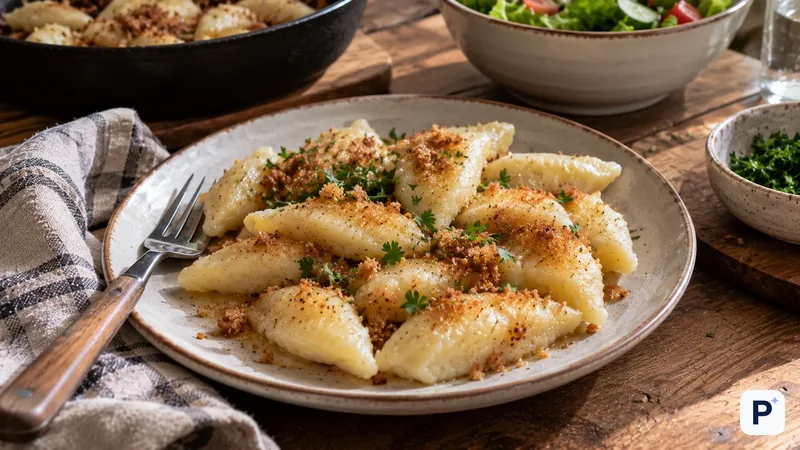
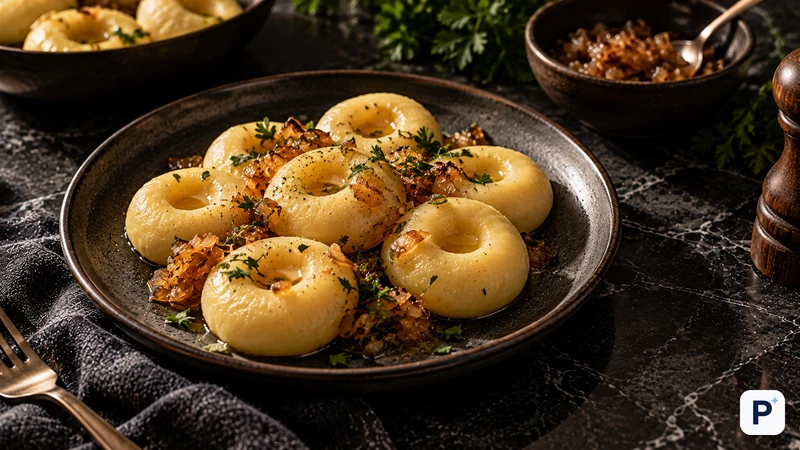
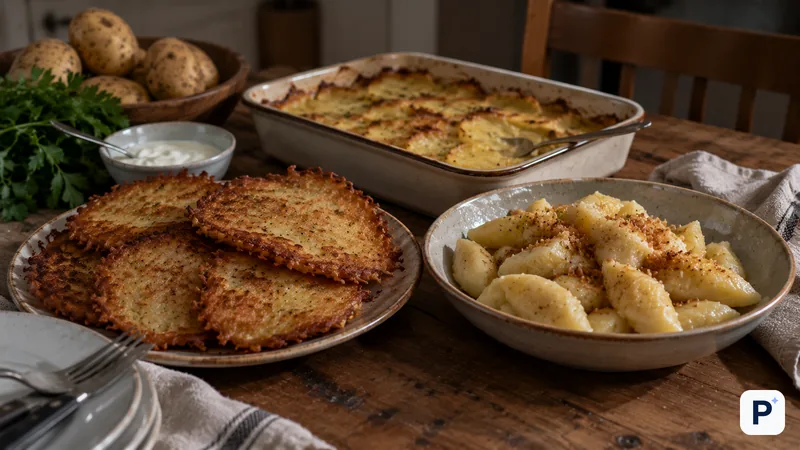
Potato pancakes are a good way to use up a larger quantity of potatoes before they start to lose quality. From the same base you can later make kopytka, dumplings, mash, oven potatoes or soup. And to keep potatoes usable for as long as possible, see how to store potatoes so they do not sprout or turn green.