Polish Potato Dumplings (Kopytka)
Soft, delicate potato dumplings that turn out best when made with potatoes boiled the day before. The whole secret is in the proportions: the less flour you use, the more delicate the kopytka will be. Kneading the dough briefly and cooking it gently also matter. This batch makes dinner for 4, and if you have potatoes left over from yesterday, the whole thing comes together even faster.
Ingredients
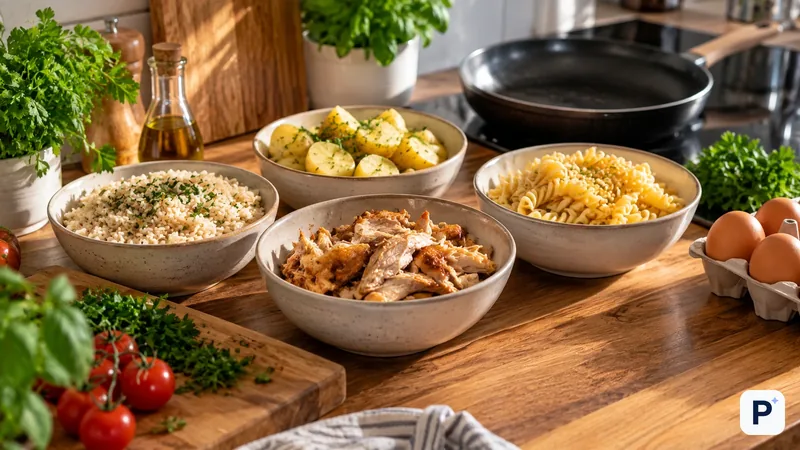
- 1 kg boiled potatoes, ideally from the day before
- 200–250 g plain flour
- 1 egg
- 1 teaspoon salt
- optionally 1–2 tablespoons potato starch, if the potatoes are very wet
- extra flour for dusting the work surface
Instructions
- Prepare the potatoes. Floury, dry potatoes meant for boiling work best. If you are only now cooking them, peel the potatoes, cut them into evenly sized pieces and boil in salted water until tender. Then drain them thoroughly and leave them uncovered for a moment so the excess water evaporates. This matters, because the wetter the potatoes, the more flour you will need to add to the dough later. And it is precisely too much flour that is one of the most common causes of tough kopytka.
- Rice the potatoes. Press the boiled potatoes through a ricer or mince them in a mill. Do not use a blender or mixer. Intensive processing can make the potatoes sticky and gluey. If you are using potatoes boiled earlier, you can move straight on to the next step. The potatoes should be completely cooled before you prepare the dough.
- Add the egg and flour. Add the egg, salt and about 200 g of flour to the cooled potatoes. Do not tip in all the prepared flour at once. The amount depends on how dry the potatoes are. If the potatoes are very wet, you can add 1–2 tablespoons of potato starch. It will help bind the mixture without having to add a large amount of plain flour.
- Knead the dough briefly. Quickly bring the ingredients together, ideally with your hands or a spatula. The dough should be soft and slightly sticky, but still possible to shape. Do not knead it for long. It is enough for the ingredients to just combine. The longer you knead dough with flour, the more the gluten develops, and the finished kopytka can turn out dense, rubbery and tough.
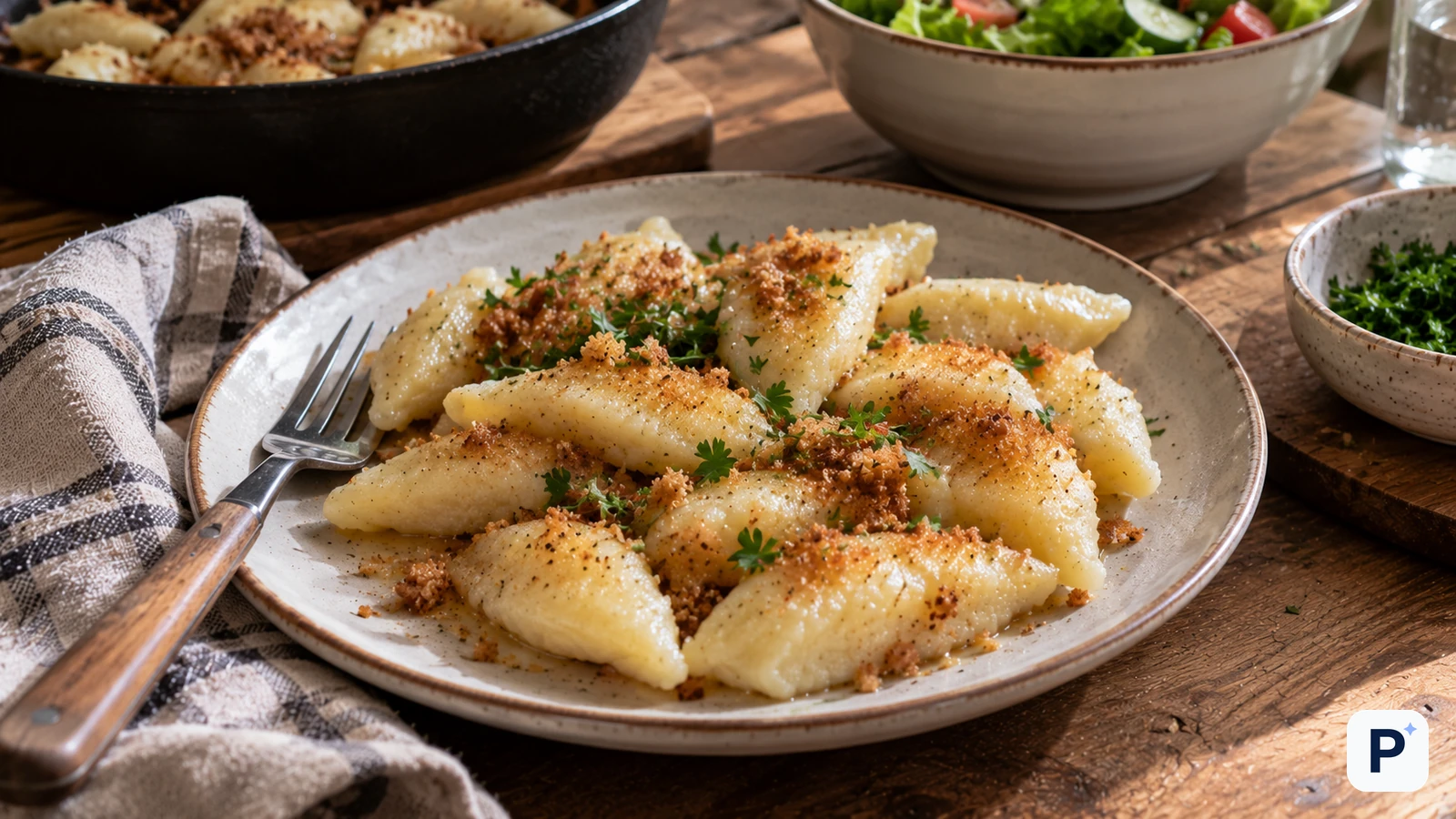
- Shape the ropes. Lightly dust the work surface with flour. Turn the dough out onto it and divide it into several pieces. From each piece, shape a rope roughly as thick as a thumb. You can flatten it slightly. With a knife, cut the rope diagonally into pieces about 1.5–2 cm long. They do not have to be perfectly even. The characteristic diagonal shape is exactly what gives kopytka their classic look.
- Cook the kopytka. Bring salted water to the boil in a large pot. Add the kopytka in batches so they have enough room. Do not add the whole batch at once, because the water temperature will drop sharply and the dumplings may stick together. Once they are in, gently stir the bottom of the pot so the kopytka do not stick to it. When they float to the surface, lower the heat. The water should simmer gently rather than boil vigorously. Cook for another 2–3 minutes. Then lift the kopytka out with a slotted spoon.
- Serve. You can serve the kopytka straight away with your favourite sauce or toppings. They taste good both in the classic savoury version and pan-fried the next day.
Which Potatoes Are Best for Kopytka?
Floury potatoes work best, the kind that are dry after boiling and fall apart easily. These potatoes contain plenty of starch and do not need much flour for the dough to be workable.
Very watery potatoes may require more flour. The problem is that adding it until you get a stiff dough often ends in tough kopytka. That is why the choice of potatoes matters right from the start.
Why Is It Best to Make Kopytka with Potatoes from the Day Before?
Potatoes boiled the day before have less moisture than freshly boiled ones. That means you need less flour to make the dough, and less flour usually translates into a more delicate texture for the kopytka.
It is also a good way to use up potatoes left over from an earlier dinner. You do not have to throw them away or boil another batch specially for kopytka. And when you cook potatoes from scratch, work out the portions in advance so that you do not make too many.
If you often have boiled potatoes left over, it is worth having a few ideas for using them up instead of starting to cook from scratch. You will find them in our guide on what to do with dinner leftovers.
How Much Flour Should You Add to Kopytka?
There is no single perfect amount of flour for every batch of potatoes. For 1 kg of boiled potatoes, start with about 200 g of flour. If the dough is too loose, add more in stages.
As a rough guide, people often use a ratio of about 4 parts potato to 1 part flour, but you should not treat it as a rigid rule. Dry potatoes may need less flour and wetter ones more. The best rule is this: add as much flour as you need to shape the dough, but no more.
Why Do Kopytka Turn Out Tough?
Most often, too much flour is to blame. If the dough is very hard and dry even before cooking, the kopytka will probably be dense after cooking too.
The second common mistake is kneading the dough for too long. Plain flour contains gluten, which forms an ever stronger structure as you knead. With kopytka, the goal is not a perfectly smooth, long-kneaded dough. The ingredients simply need to come together.
Why Not Blend the Potatoes?
A blender breaks the potatoes down very aggressively and can release a lot of starch. The result is a sticky, gluey mass that does not give the finished kopytka a light texture.
A potato ricer or a mill gives a much better texture. If you do not have a ricer, you can mash the potatoes thoroughly with a masher. The most important thing is not to use a device that aerates them heavily and grinds them into a sticky mass.
What to Do When Kopytka Dough Sticks?
First, check whether the work surface and your hands are simply too dry. If the dough really is too loose, add flour in small amounts, ideally one tablespoon at a time.
Do not add a large amount of flour at once. It is very easy to go from "a little sticky" to "too hard". If the potatoes were exceptionally wet, you can use a small amount of potato starch instead of adding a large amount of plain flour.
It is also important that the potatoes are well dried out after boiling. If a lot of water is left in them, the dough will need more flour.
Is the Egg Necessary?
The egg helps bind the dough and makes it easier to shape. For this amount of potatoes, one egg is enough.
If the potatoes are very wet, it is not worth compensating with a large amount of flour. It is better to dry them out well beforehand, and with exceptionally wet potatoes you could consider using just the yolk instead of the whole egg. This is not necessary, though, with standard, well-dried potatoes.
How to Cook Kopytka So They Are Not Rubbery?
Kopytka should be cooked in plenty of salted water and in batches. After adding them to the pot, wait until they float. Then lower the heat so the water only simmers gently. Cook for another 2–3 minutes.
There is no need to keep a very vigorous boil going the whole time. Intense bubbling can cause the delicate dumplings to start falling apart. Do not cook them much longer than needed either. Kopytka should be soft but hold their shape. If you are not sure, take one out and check it by cutting it in half.
What to Serve with Kopytka?
Kopytka are very versatile. You can serve them as a side to dinner or as a dish in their own right. In the savoury version, they go well with:
- button mushroom sauce,
- wild mushroom sauce,
- roast gravy,
- tomato sauce,
- goulash,
- meat in sauce,
- braised vegetables.
A classic topping is also breadcrumbs fried in butter. You can also pan-fry the cooked kopytka until lightly golden and crisp on the outside. If you fancy a sweet dinner, serve them with butter and sugar, cinnamon or soured cream.
If you like homemade potato dishes, take a look at our recipe for pierogi ruskie with a creamy filling of potato and twaróg (Polish curd cheese).
What to Do with Cooked Kopytka the Next Day?
Kopytka are very well suited to pan-frying. Heat a little butter or oil in a pan and add the cold kopytka. Fry over medium heat until golden on both sides. You can add onion, bacon, mushrooms or vegetables to them.
This is one of the best ways to use up kopytka left over from dinner. They do not have to taste the same the next day as they did the day before.
How to Store Kopytka?
Transfer cooked and cooled kopytka to an airtight container and keep them in the fridge. It is best to use them within a few days.
If you know you will not eat the whole batch, you can freeze some instead of keeping it in the fridge. Before putting them in the fridge, it is worth gently tossing the kopytka with a little oil to stop them sticking together.
Can You Freeze Kopytka?
Yes. The most convenient way is to freeze them before cooking. Arrange the shaped raw kopytka in a single layer on a board or tray dusted with flour. Put it in the freezer.
Once they are completely firm, transfer them to a bag or an airtight container. Thanks to freezing them separately first, they will not stick together into one lump.
You do not need to defrost them before cooking. Add the frozen kopytka straight into salted boiling water, in batches, and cook them until they float and then for a few more minutes. Frozen kopytka may need slightly more time than fresh ones, so it is best to check a single piece before taking out the whole batch.
Gluten-Free Kopytka
Kopytka can also be made in a gluten-free version, but it is not worth simply swapping the plain flour for any gluten-free flour in the same amount.
A good starting point is rice flour combined with potato starch. You can also use a ready-made gluten-free blend for dumplings. Add the flour gradually, because different blends absorb differently. If you are using oat flour, choose a product labelled gluten-free if the whole dish is genuinely meant to be gluten-free.
Ingredient Substitutions
Plain flour: you can replace it with a mix of rice flour and potato starch or a ready-made gluten-free blend.
Egg: it helps bind the dough. In an egg-free version you need to be especially careful with the amount of flour and shape the dumplings gently.
Potatoes: it is best to use floury potatoes. You can also use potatoes left over from an earlier dinner.
Potato starch: it is useful when the potatoes are wetter. It does not, however, fully replace the plain flour in the classic recipe.
The Key Rules for Soft Kopytka
If you want your kopytka to be delicate, remember a few things:
- Choose dry, floury potatoes.
- Potatoes from the day before are a very good choice.
- After boiling, dry them out well.
- Press them through a ricer or mince them instead of blending.
- Start with about 200 g of flour per 1 kg of potatoes.
- Add flour gradually and only when it is needed.
- Knead the dough briefly.
- Cook the kopytka in batches in gently simmering water.
- Once they float, cook for another 2–3 minutes.
- If you have kopytka left over from dinner, simply pan-fry them the next day.
Got Potatoes from Yesterday?
You do not have to throw away boiled potatoes just because they are left over from dinner. Kopytka are one of the simplest ways to use them up. We have gathered more ideas in our guide on what to do with leftover potatoes.