Silesian Dumplings (Kluski Śląskie)
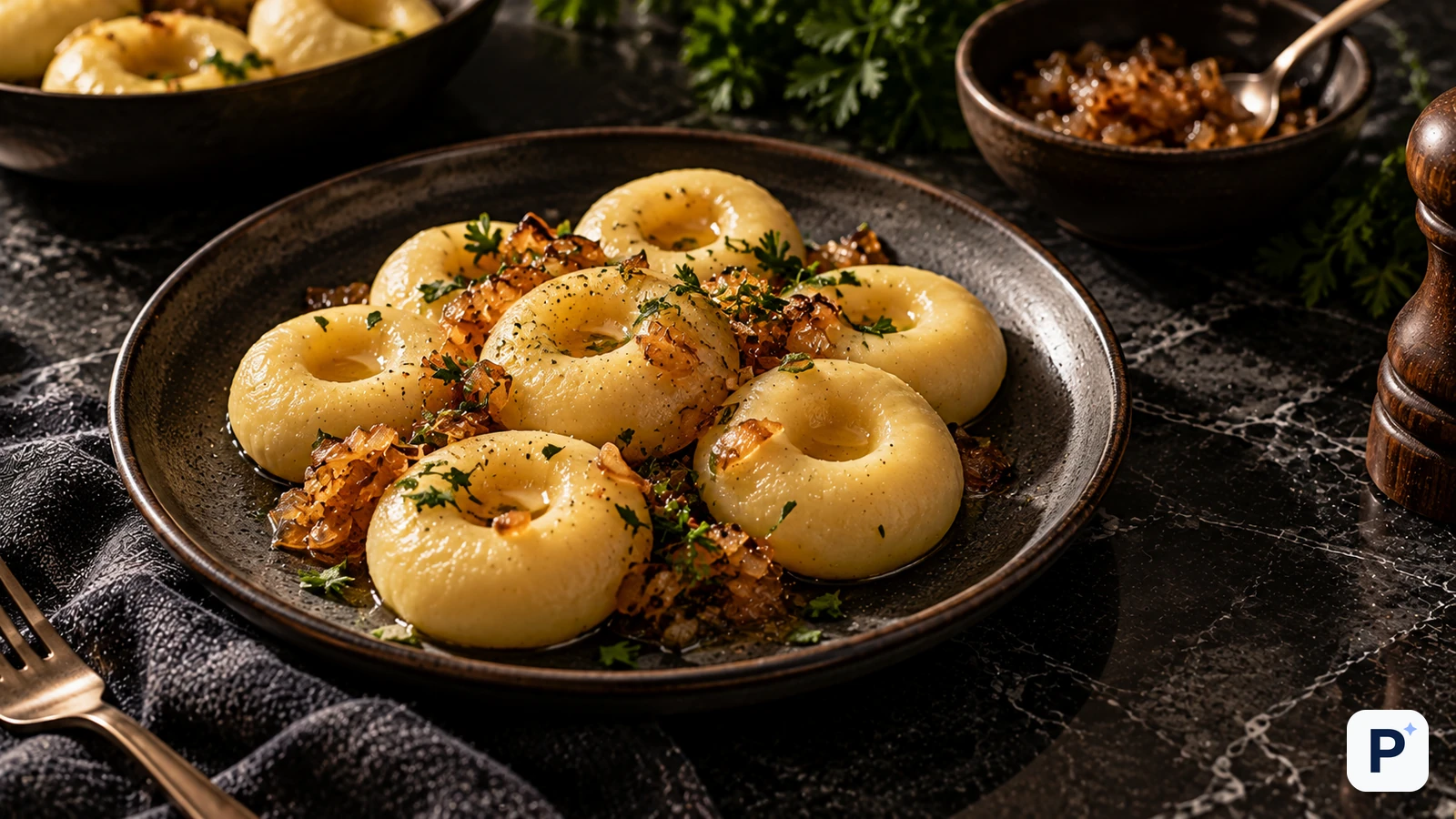
Silesian dumplings are soft, smooth dumplings made from boiled potatoes and potato starch, recognisable by the small dimple in the middle. The most important factors are the right potatoes, well steamed-off mash and the correct amount of potato starch.
Ingredients
- 1 kg peeled potatoes, ideally floury, type C
- 200 g potato starch
- 1 egg
- 1 teaspoon salt
Instructions
- Boil the potatoes. Cut the peeled potatoes into evenly sized pieces and boil them in salted water until tender. They should be easy to pierce with a fork, but they must not be overcooked and waterlogged.
- Steam off the potatoes. Drain the water and leave the potatoes in the hot pot for a few minutes. This lets the excess moisture evaporate and makes the dough easier to shape.
- Press the potatoes. While they are still warm, press the potatoes through a ricer or mash them very thoroughly. The mash should be smooth, without large lumps.
- Add the potato starch. To 1 kg of peeled potatoes add 200 g of potato starch. Sprinkle it over the cooled potatoes and combine it with the mash.
- Add the egg and salt. Crack in the egg, add the salt and quickly knead everything into a uniform dough. Do not knead it for long. It is enough for the ingredients to come together and for the mixture to be soft and easy to shape.
- Shape the dumplings. Tear off small portions of dough and roll them into smooth balls in your hands. Flatten each one slightly and make the characteristic dimple in the middle with your finger.
- Cook the dumplings. Bring salted water to the boil in a large pot. Lower the heat so the water only boils gently, and add the dumplings in batches. Do not overcrowd the pot.
- Cook after they float. Once the dumplings float to the surface, cook them for about another 2 minutes. Remove them with a slotted spoon and serve immediately, or transfer them to a lightly greased plate.
Why do Silesian dumplings fall apart?
The most common problem is excess water in the potatoes or too little potato starch. The potatoes should be floury and well steamed off after boiling. If they were very watery, sticking to a single ratio alone may not be enough.
The cooking method matters too. The water should boil gently rather than bubble vigorously. Vigorous boiling can break up the delicate dumplings before their surface sets properly.
If the first dumpling falls apart in the pot, do not add the whole batch at once. Take it out, add a little potato starch to the dough, mix again and cook another one as a test.
Do not overdo the starch, though. Too much potato starch will make the dumplings hard, rubbery and less pleasant to eat.
Which potatoes for Silesian dumplings?
The best are floury, dry potatoes with a high starch content. Look above all for type C potatoes.
Waxy salad potatoes, type A, have more water and less starch. They are good for salads, but they are not the best choice for Silesian dumplings. Mash made from such potatoes can be stickier and need more starch.
Type B or B/C potatoes can also work, but with them it is especially important to steam them off well after boiling.
How much potato starch for Silesian dumplings?
For 1 kg of peeled potatoes, use 200 g of potato starch. This is a specific ratio that is easier to reproduce than measuring starch by eye.
In practice, potatoes vary in water content, so the final consistency of the dough is just as important as the number of grams. The finished dough should be soft, smooth and easy to roll in your hands.
It should not be runny or very sticky, but it should not resemble a stiff dough either.
What does the 1/4 rule mean for Silesian dumplings?
The 1/4 rule is a traditional way of measuring potato starch. The boiled and pressed potatoes are placed in a bowl, levelled off, divided into four parts, and one of them is removed. The resulting space is filled with potato starch, then the removed portion of potatoes is added back.
It is a classic method, so it is worth knowing, but in this recipe we use a more convenient and more repeatable weight ratio: 200 g of potato starch per 1 kg of peeled potatoes.
Why make a dimple in Silesian dumplings?
The dimple is a characteristic feature of Silesian dumplings, but it also has a practical use. The hollow holds sauce, which is why the dumplings go so well with dishes that have plenty of sauce.
It is best made with a finger in each ball just before cooking. You do not need to press it in very deeply. A small, clear hollow is enough.
What to serve with Silesian dumplings
Silesian dumplings are most often served with meat and sauce. The classic combination is beef roulade, sauce and red cabbage, but they also go well with other braised dishes and roasts.
The dimple in the dumpling works especially well with mushroom sauces, a meaty roasting sauce or the dish's own juices. You can also serve the dumplings as a standalone side with vegetables and sauce.
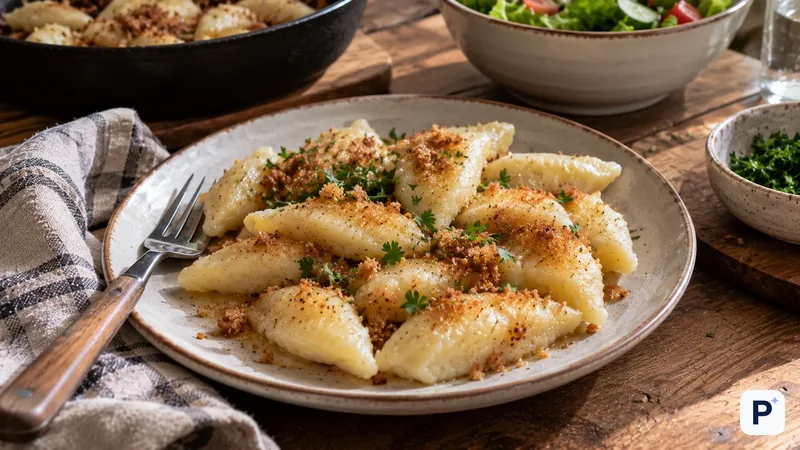
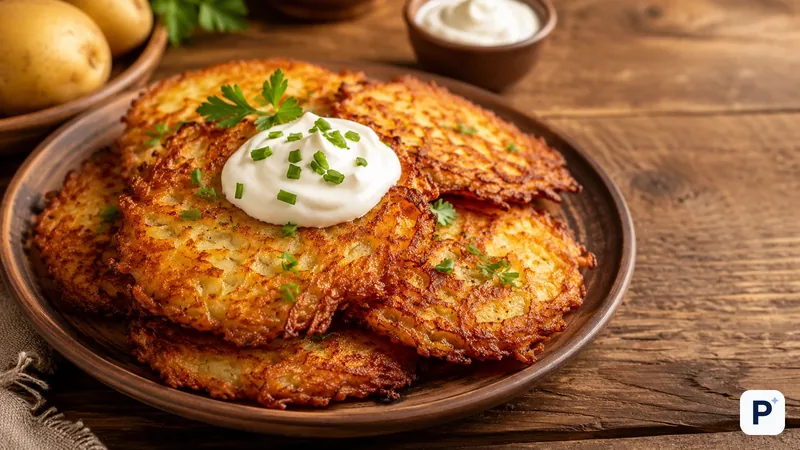
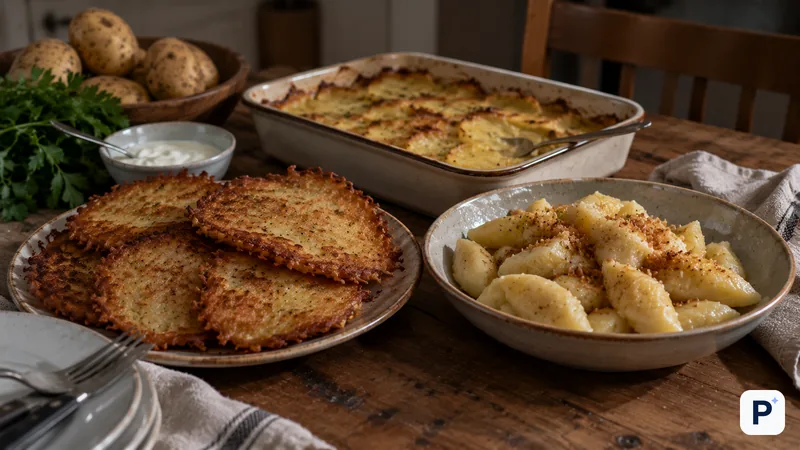
If you like potato dishes, it is worth treating Silesian dumplings as a separate category from kopytka and potato pancakes. Kopytka have an elongated shape and are made mainly with the addition of wheat flour, whereas Silesian dumplings are smooth balls with a dimple and are based on potato starch.
Can you make Silesian dumplings from leftover boiled potatoes?
Yes. It is one of the good ways to use up potatoes left over after dinner.
It is best to use potatoes that were boiled without a lot of additions and were properly cooled and stored in the fridge. Before preparing them, press them through a ricer or mash them thoroughly.
If yesterday's potatoes are very moist, let them steam off for a moment after reheating, or drain off the excess moisture thoroughly. Then adjust the amount of starch to their consistency.
It is a simple way to turn boiled potatoes into another dish instead of throwing them away. A similar approach works well when planning how to use up the leftover potatoes from a larger dinner.
What to do if the Silesian dumpling dough is too sticky
First check whether the potatoes were steamed off well. If the mash is very wet, adding a lot of starch may improve shaping but at the same time make the finished dumplings hard.
If the dough is only slightly sticky, wet your hands with water and try to shape one test dumpling. If it holds its shape, do not add any more starch.
If the dumpling falls apart during cooking, increase the amount of potato starch by a small portion and test one piece again.
Can you make Silesian dumplings ahead of time?
Yes. You can shape the dumplings in advance and keep them in the fridge for a short time before cooking. Arrange them in a single layer on a surface lightly dusted with flour so they do not stick together.
If you want to prepare them further ahead, freezing is a better option.
Can you freeze Silesian dumplings?
Yes. The most convenient way is to freeze them before cooking. Arrange the shaped dumplings individually on a board or tray and put them in the freezer. Once they are completely firm, transfer them to an airtight container or bag.
Cook them without thawing first. Dropping frozen dumplings straight into gently boiling, salted water reduces the risk of them sticking together and losing their shape.
You can also freeze the dumplings once they are cooked. After cooking, cool them thoroughly, grease them lightly so they do not stick together, and pack them tightly.
How to store cooked Silesian dumplings
Transfer cooked dumplings to an airtight container and keep them in the fridge. It is best to use them within 2 days.
You can reheat them in hot water or in a frying pan. In a pan the dumplings will brown slightly and gain a lightly crisp surface.
Key rules
- Choose floury type C potatoes.
- Steam the potatoes off well after boiling.
- Use 200 g of potato starch per 1 kg of peeled potatoes.
- Add the egg to the cooled potatoes and combine the ingredients quickly.
- Do not knead the dough longer than necessary.
- Shape smooth balls and make the characteristic dimple in each one.
- Cook the dumplings in gently boiling water.
- After they float, cook them for about another 2 minutes.
- If the first dumpling falls apart, fix the consistency of the dough before cooking the whole batch.