What to Keep at Home for a Power Cut: A Practical Preparation Checklist
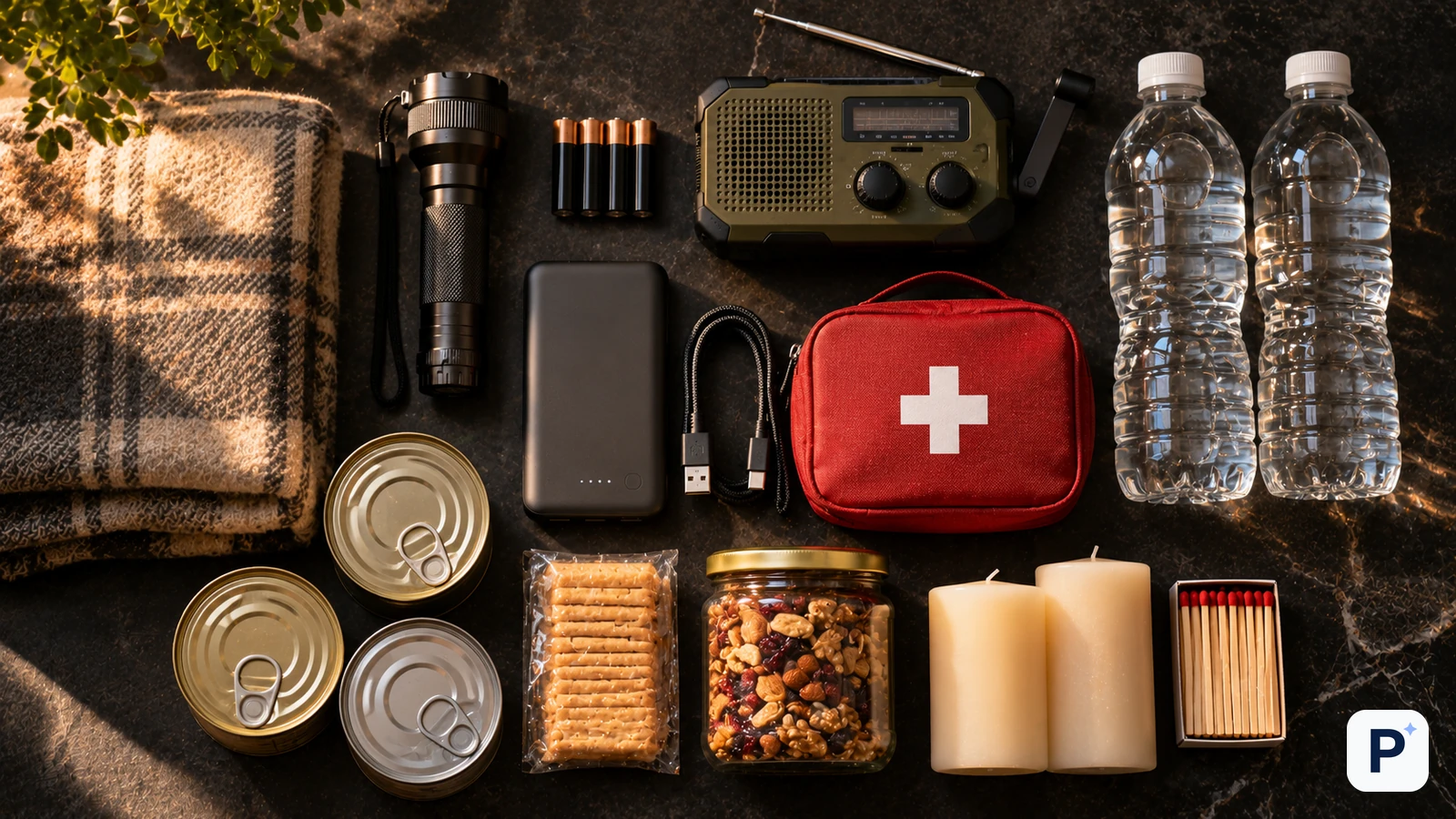
A power cut can last a few hours, but sometimes it drags on for longer. It is worth preparing some basic equipment in advance so that you can light your home, charge your phone, put together a simple meal and keep everyone in the household comfortable. This is not about stockpiling large quantities of supplies, but about a handful of things that make life easier without electricity.
Why prepare your home for a power cut?
A major power cut, meaning a widespread or prolonged loss of electricity, can be caused by a grid failure, damage to infrastructure, extreme weather or other technical events. Even if the outage affects only part of a town, it can disrupt everyday life.
Without electricity, your lighting, electric heating, induction hob, router, chargers and some household appliances may stop working. Problems can also arise in shops, cash machines and service points if they have no backup power. You may not always be able to pay by card, contact family and friends online or quickly get hold of the things you need.
The simplest form of preparation is gathering the equipment that will let you cope through the first hours and days without mains power. A dedicated space in a cupboard, or a single container, is enough to hold a torch, batteries, a power bank, a radio, basic supplies and a few other useful items.
It is worth tailoring your kit to the number of people in the household, the time of year, your type of heating and local conditions. Someone living in a block of flats with central heating will have different needs from a household that relies on its own boiler, a heat pump or a well with an electric pump.
Water and food for a short power cut
It is worth preparing a basic reserve to cover at least three days. Allow around 3 litres of drinking water per person per day. If the water in your home is supplied through a system that needs power, a power cut may also limit how much is available. Account for the needs of everyone in the household, including children and pets.
Choose food that needs no fridge and no complicated preparation. Tins, crispbread, crackers, nuts, dried fruit, bars, ready meals and UHT products are all useful. Do not forget a manual tin opener. Part of your supplies should be fit to eat without cooking or heating.
You do not have to create a separate emergency pantry. It is enough to sensibly increase the quantity of the products you use regularly. You will find detailed guidance in our guide on how to build a food stockpile at home. You can also include a few ready-made freeze-dried meals, bearing in mind that some need hot water added.
Light: what to use instead of electric lighting
After dark, the lack of lighting quickly makes it hard to move around your home. That is why torches should be one of the first items in your household emergency kit.
A handheld torch. Choose an LED model with a decent supply of batteries or a rechargeable battery. It helps to have at least two torches in the house, so you do not have to carry one between rooms.
A head torch. This is especially practical because it leaves your hands free. You can use it to prepare a meal, find something in a cupboard or move safely up and down the stairs.
Batteries and charging. Keep a supply of the right type of batteries. Check whether all your devices use the same sizes, and store your spares in a dry place. A small rechargeable light or USB lamp is useful too.
Candles and matches. These can serve as a backup source of light, but they carry a fire risk. Place them on a stable, non-flammable surface, away from curtains, paper and other flammable items. Never leave a burning candle unattended or fall asleep next to one. In a home with children or pets, battery-powered LED lights are a safer choice.
Power and communication during a power cut
Your phone can be one of the most important devices during an outage. It lets you contact family and friends, check messages from the emergency services and find out when power will be restored. The problem comes when the battery runs flat and charging from the mains is not possible.
A power bank. Prepare at least one charged power bank with a capacity suited to your phone. If several people live in the house, it is worth having more than one. Also check that you have the right cable and that the power bank actually works.
A car charger. An adapter for your car's power socket can be an extra source of energy for your phone. Use it sensibly so you do not drain the car battery. Never run the engine in a closed garage or other enclosed space.
A battery or wind-up radio. This is important equipment, because access to the internet and the mobile network may be limited. A radio lets you pick up announcements and information from the emergency services. Choose a model that can run on batteries, a rechargeable battery or a hand crank.
Spare cables and batteries. Keep them together with the rest of your equipment. It is worth having a cable to fit every household member's phone, as well as a car charger.
Saving battery on your phone. Once the outage begins, turn on battery-saver mode, lower the screen brightness and switch off any features you do not need. Cut down on watching videos, playing games and constantly refreshing the news. If the network is unstable, avoid making lots of unnecessary calls. Short text messages can be a practical way to pass information to family and friends.
How to stay warm without electricity
A loss of electricity can also mean a loss of heating, especially in buildings fitted with boilers, heat pumps or systems with circulation pumps that need power. In winter, it is worth being ready for the temperature indoors to drop gradually.
Warm clothing. Get together extra jumpers, hoodies, socks, thermal underwear and hats. Dressing in layers helps reduce heat loss. It is also worth having comfortable clothes to sleep in.
Blankets and sleeping bags. A spare blanket or sleeping bag can be useful if the temperature in the room falls. It is best to keep them somewhere easy to reach, rather than at the bottom of a wardrobe.
One warmer room. During a longer outage, you can gather everyone in one room, close the doors to unused rooms and reduce the cooling of the whole home. Do not, however, block any air vents or inlets.
Safe sources of heat. If you use a fireplace or a heater, it must be in good working order and intended for use in that room. Follow the manufacturer's instructions and the rules on ventilation.
Do not heat your home with a gas cooker, an oven or a barbecue. Do not use a charcoal barbecue, a camping fuel stove or a generator inside the house, a cellar, a garage or any other enclosed space. Fuel-burning appliances can produce carbon monoxide, an odourless and highly poisonous gas.
A generator may only be run outdoors, away from windows, doors and air vents. It should be set up and operated in line with the manufacturer's instructions. Connecting a generator to your home's wiring incorrectly can also create a risk of electric shock and a danger to the people working on the network. If you need to power your building's wiring, prepare it in advance with a qualified electrician.
It is worth having a working smoke alarm and carbon monoxide alarm at home. This is an extra safeguard, especially if you use fuel-burning appliances.
What to do with your fridge and freezer during an outage
Do not open your fridge and freezer unnecessarily. Every time you open the door, cold air escapes and the temperature inside rises faster.
A closed fridge keeps a safe temperature for around four hours. A full freezer can hold a low temperature for around 48 hours, and a half-full one for around 24 hours. These are approximate figures, with the doors kept shut. The actual time depends on the appliance, the ambient temperature and the amount of food stored.
A fridge and freezer thermometer is useful. If the outage drags on, you can use cool packs you froze in advance. Once the power returns, check the temperature and the state of your food. Do not judge whether food is safe by smell or appearance alone.
If some products have thawed but are still cold, follow the recommendations for that particular type of food. Do not refreeze products that do not meet the conditions for safe refreezing. You will find more information in our guide on what you can and can't freeze.
A first-aid kit and medicines worth keeping to hand
During an outage it may be harder to get to a pharmacy, so it is worth checking the basic contents of your home first-aid kit in advance. It does not need to be elaborate, but it should contain the items needed in typical, minor situations.
A basic first-aid kit. Get together dressings, plasters, bandages, disposable gloves and a disinfectant. Check that the packs are complete and that nothing is past its expiry date.
Regular medicines. Make sure you have an adequate supply of any medicines you take regularly, in line with your doctor's advice and the storage instructions. Do not leave topping up your supply until the last minute.
Information about your medicines. It is worth keeping a written list of the medicines you take and any important information that might be needed if you have to seek medical help. Keep it somewhere the household can reach.
If any of your medicines needs to be stored at a particular temperature, check in advance what to do during a power cut. Do not assume that every preparation can be safely stored in the same conditions.
Documents, cash and important information
A power cut can limit the operation of card terminals, cash machines and IT systems. It is therefore worth preparing a few things that will let you deal with the basics without access to the internet.
Cash. Keep a small amount of money at home in a range of denominations. Without power, paying by card or phone may be impossible, and small notes and coins make it easier to pay for basic purchases.
Documents. Prepare copies of your most important documents and keep them in a waterproof wallet or folder. These might include copies of identity documents, insurance policies, documents relating to your home and important contracts. Keep the originals safe in a secure place.
Phone numbers. Write down on paper the numbers of family and friends, neighbours, your building's management, your energy supplier and other important organisations. Do not assume you will always have access to contacts saved only on your phone.
Important information. It is worth knowing the local ways of receiving alerts about outages and emergencies. Write down the addresses and basic information you might need if the internet stops working.
Hygiene and other useful bits and pieces
Some items seem unimportant until it turns out that, without power, they are hard to use or cannot be bought quickly.
Toiletries. Get together toilet paper, tissues, wet wipes, soap, hand sanitiser and bin bags. Also include any hygiene items that particular members of the household need, such as nappies or menstrual products.
A tin opener. If your supplies include tins, a manual tin opener is essential. Electric kitchen gadgets will not work without power.
Matches and a lighter. These can come in handy in various situations, but store them safely, away from children and sources of heat. Do not use a naked flame as your main source of light.
Bags and containers. A few strong bin bags, kitchen roll, adhesive tape, scissors and some basic tools can make it easier to keep things tidy and to secure your belongings.
Pets. If you have pets, include their water, food and essential accessories. Some equipment, such as automatic feeders, water dispensers and aquarium filters, also needs power. Think in advance about how to meet your pets' basic needs during an outage.
How to keep your emergency kit ready
Simply gathering the equipment is not enough. Your kit should be checked regularly, so that when an outage happens you do not find the torch is dead, the power bank is flat and the water and food passed their use-by dates long ago.
Set aside one place. Keep your basic equipment in a single, easy-to-reach place. Everyone in the household should know where the torches, batteries, radio, first-aid kit and power bank are.
Check batteries and devices. Every few months, switch on the torches and radio, test that the chargers work and recharge your power banks in line with the manufacturer's instructions. Replace worn-out batteries and damaged cables.
Keep an eye on water and food. Check the dates on the packaging and replace products that are nearing the end of their shelf life. It is best to use your supplies as you go and top them up during your normal shopping.
Review your first-aid kit. Check that it is complete and that nothing has expired. Also top up your supply of regular medicines, without changing how you take them on your own.
Adjust your kit to the season. Before winter, check your blankets, sleeping bags, warm clothing and anything you need for heating. In summer, pay attention to your water supply and whether you can keep it in suitable conditions.
Account for the household's needs. Consider whether anyone relies on electrically powered devices, special food, extra hygiene items or help with getting around. It is worth agreeing in advance who contacts family and friends and how you will pass information to each other if the mobile network stops working.
A home ready for a power cut does not need large supplies
Preparing your home for a power cut does not have to mean an expensive purchase of specialist equipment. In many cases, a few torches, a supply of batteries, a charged power bank, a radio, a basic first-aid kit, some cash and food you can eat without cooking are all you need.
The most important thing is to cover your basic needs: water, food, light, warmth and a way of getting information. Just as important is using safely any devices that might replace electrical equipment. Generators, barbecues and fuel-burning appliances must not be run in enclosed spaces, and a naked flame must never be left unattended.
It is worth putting your kit together in advance and checking its contents every few months. That way, during an outage, you will not have to hunt in a hurry for a torch, a charger or a tin opener. A few simple preparations let you get through a power cut more calmly and with greater control over everyday matters.