What to Do with Egg Yolks? 15 Ideas for Using Up Egg Yolks
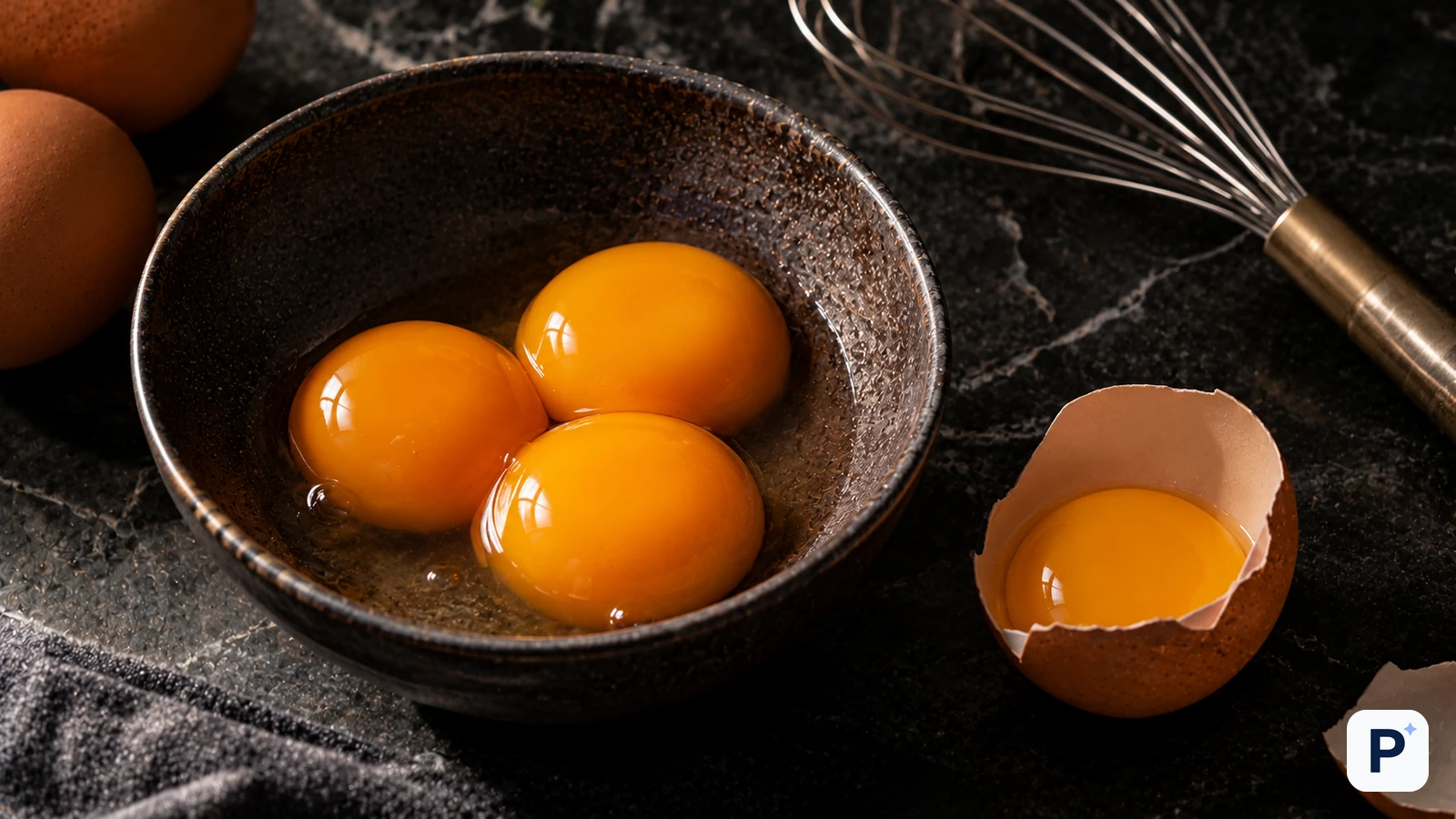
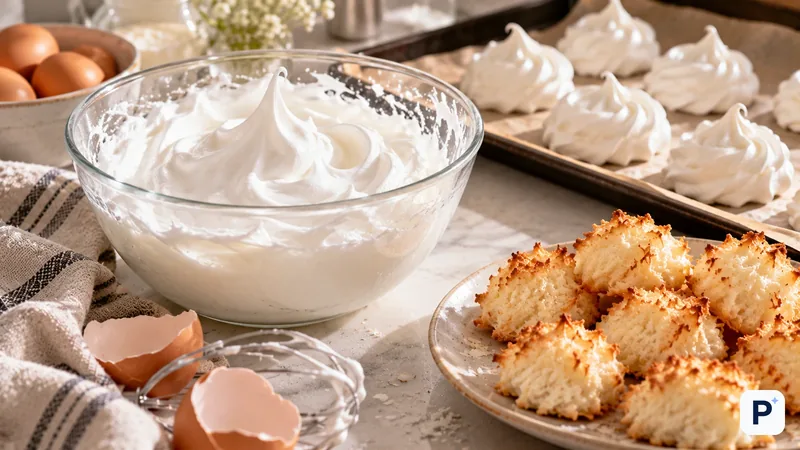
After making a meringue, macarons or a cake that calls for egg whites only, you are often left with a few egg yolks. There is no need to throw them away. Egg yolks give dishes a creamy texture, enrich their flavour and help thicken sauces and creams.
You can use them for both desserts and savoury dishes. Before you choose a recipe, though, check how long egg yolks can be stored and when it is best to use them.
How Long Can You Store Egg Yolks and How Should You Store Them?
Once separated from the whites, egg yolks are more prone to drying out and becoming contaminated. It is best to transfer them straight away to a clean, airtight container and put them in the fridge.
In the fridge: raw egg yolks are best used within 1–2 days. Food-safety authorities give an approximate storage time for raw egg yolks and whites of 2–4 days in the fridge. This is a recommendation for food that has been stored correctly, not a guarantee of safety. If you do not know how long the yolks have been left out of the fridge, it is better not to use them.
To stop the yolks drying out, you can cover them with a small amount of cold water. Seal the container tightly and put it straight into the fridge. Pour off the water before using them. It does not extend the safe storage time of the yolks.
It is also worth remembering to:
- Store egg yolks at a temperature of up to 4°C.
- Keep them separate from ready-to-eat foods.
- Not leave them at room temperature for longer than 2 hours.
- Not use egg yolks that have an unusual smell or appearance.
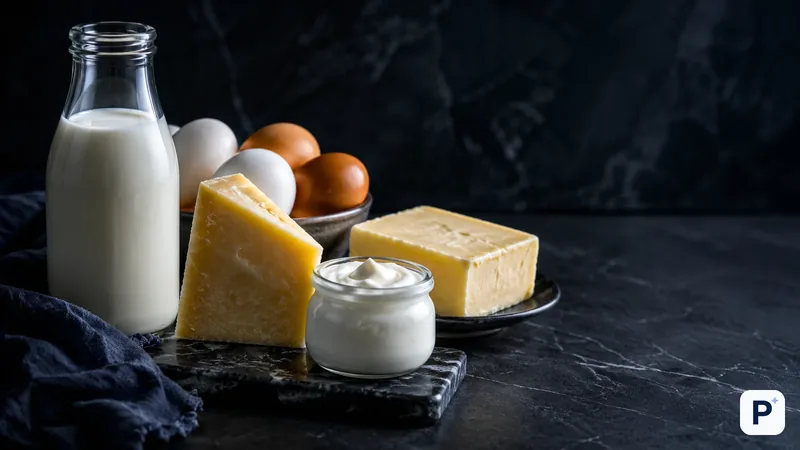
You will find more rules on storing eggs and dairy products in our guide to how to store dairy and eggs.
Can You Freeze Egg Yolks?
Yes. This is a good option if you have more than you can use and do not plan to use them within a few days. Bear in mind, however, that egg yolks on their own do not freeze as well as whites. After thawing, they can become thick and gel-like.
To limit this change, gently mix the yolks before freezing and add:
- For sweet dishes: about 1.5 teaspoons of sugar per 4 yolks.
- For savoury dishes: about 1/8 teaspoon of salt per 4 yolks.
Transfer them to an airtight container, ideally in portions that match your future recipes. Label the contents and the freezing date.
Thaw the yolks in the fridge and use them as soon as possible once thawed. They work best in creams, baked goods, sauces and other dishes that are cooked.
What to Do with Egg Yolks: Sweet and Savoury Ideas
You can use egg yolks in many ways. The choice depends mainly on how many you have left and whether you fancy a dessert or something savoury.
Sweet ideas
- Pastry cream. Egg yolks are the base of crème pâtissière, which you can use for tarts, éclairs, choux buns, sweet buns and pancakes. It is one of the best ways to use up a larger number of yolks.
- Crème brûlée or baked custard. Egg yolks give the dessert a velvety texture. Simply combine them with cream, sugar and vanilla, then bake in a water bath.
- Homemade ice cream. Egg yolks help thicken the ice cream base and make it creamy. They work particularly well in vanilla, chocolate and coffee ice cream.
- Lemon curd. A lemon cream made from egg yolks, sugar, butter and lemon juice. You can use it for tarts, layer cakes, pancakes or as a topping for yoghurt.
- Homemade pudding. Egg yolks thicken the milk and give the pudding a richer flavour. You can make a vanilla, chocolate or caramel version.
- Kogel-mogel. This is a quick dessert made from egg yolks and sugar. Bear in mind, though, that traditional kogel-mogel contains raw eggs. If you want to reduce the risk of infection, choose pasteurised yolks.
- Pâte à bombe. This is a whipped base made from egg yolks and hot sugar syrup, used for mousses and semifreddo, among other things. When preparing it, temperature control and the safety of the eggs you use are important.
- Cakes and biscuits. Egg yolks enrich shortcrust pastry, sponge cakes, bundt cakes and sweet buns. You can also use them to brush the tops of baked goods to give a golden crust.
Savoury ideas
- Mayonnaise and tartare sauce. Egg yolk is a natural emulsifier that helps bind the oil with the other ingredients. For homemade mayonnaise, it is best to use pasteurised eggs.
- Hollandaise sauce. Egg yolks, butter and lemon juice make a creamy sauce for asparagus, fish and eggs. It needs gentle heating so that it does not turn into scrambled eggs.
- Carbonara. Egg yolks, cheese, pepper and a little pasta cooking water make a creamy sauce. It is a good way to use up 1–2 yolks in a small portion of dinner.
- Homemade pasta and dumplings. Egg yolks give pasta dough a deeper colour and richer flavour. You can use them for tagliatelle, ravioli, kopytka (Polish potato dumplings) or other homemade dumplings.
- Thickening soups and sauces. Egg yolks help you achieve a creamy texture without adding a lot of flour. Mix them with a little cream or warm stock, then gradually combine them with the hot dish. Do not bring it to the boil afterwards, as the yolks may curdle.
- Pierogi dough. Adding an egg yolk enriches the dough and gives it a more delicate structure. It works especially well when you are making a small portion of pierogi and have one or two yolks left.
- Egg wash for coating. If you have one yolk left, you can beat it with a tablespoon of water or milk and use it to coat a small amount of meat, vegetables or cheese for breading.
What to Make with 1–2 Yolks and What to Make with More
If you only have two yolks left, you do not have to make a large dessert straight away. Choose a recipe in which the quantity can easily be adjusted.
With 1–2 yolks you can make:
- A small portion of mayonnaise or tartare sauce.
- Carbonara for one or two servings.
- A sauce for vegetables or fish.
- Pierogi dough or a small portion of homemade pasta.
- An egg wash for brushing over baked goods.
With 3–4 yolks it is worth making:
- Pastry cream for tarts and éclairs.
- Lemon curd for pancakes or cake.
- Homemade pudding.
- A larger portion of hollandaise sauce.
With 5 or more yolks, it is best to make:
- Homemade ice cream.
- Crème brûlée.
- A larger portion of pastry cream.
- Egg pasta for several servings.
- Pâte à bombe for a mousse or semifreddo.
If you do not have time to cook, freeze the yolks in portions. That way you can use them later without having to match a recipe to a random number of eggs.
What Not to Do with Egg Yolks
Egg yolks are a valuable ingredient, but they need to be handled with care. Raw eggs can be a source of Salmonella bacteria, so both the storage conditions and the way dishes are prepared matter.
- Do not taste raw egg yolks to check how fresh they are. Smell and appearance cannot reliably rule out the presence of dangerous microorganisms.
- Do not serve raw or undercooked eggs to people in at-risk groups. This applies in particular to children, pregnant women, older people and those with weakened immune systems.
- For dishes containing raw egg yolks, choose pasteurised products. This applies to homemade mayonnaise, kogel-mogel and desserts in which the eggs are not fully cooked, among other things.
- Keep good hygiene when separating eggs. Use clean utensils, wash your hands after handling raw egg and do not let raw yolks come into contact with ready-to-eat foods.
- Do not store egg yolks at room temperature. Once separated from the whites, put them straight into the fridge or freezer.
The Polish sanitary inspection authority recommends taking particular care when preparing dishes with raw eggs, and using pasteurised eggs in dishes that are not properly cooked.
Do Not Throw Egg Yolks Away. Use Them in the Kitchen
The egg yolks left over after making a meringue, macarons or other recipes that use only the whites can become the base of many desserts and savoury dishes. All you need to do is choose a recipe to suit how many you have, or freeze them for later.
If you have egg whites left over after using the yolks, take a look at our guide to what to do with egg whites, too. That way you can use the whole egg and reduce food waste.